Tonight, Tuesday 24 November 2026, the full Moon rises alongside one of the night sky's most famous star clusters: the Pleiades, also known as the Seven Sisters.
Here's all you need to know to see it.
Why Beaver Supermoon?
Full Moon nicknames and the term 'supermoon' are among many astronomers' pet peeves. But here's what 'Beaver Supermoon' means in a nutshell.
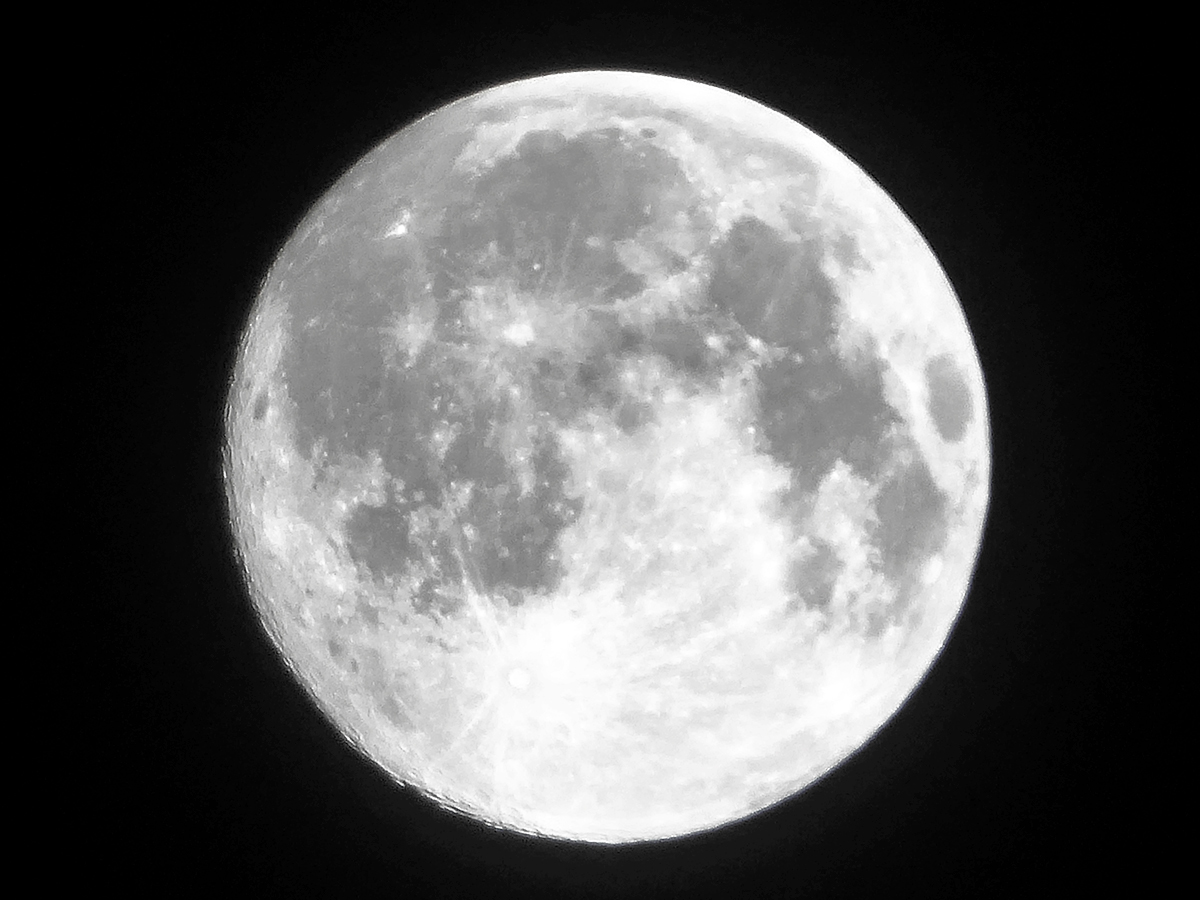
A full Moon occurs when Earth sits directly between the Sun and the Moon, with sunlight fully illuminating the side of the Moon that faces Earth.
Tonight, 24 November, the full Moon will rise. November's full Moon is often referred to as the Beaver Moon because November is traditionally the time when beavers are active, preparing for winter.
Tonight’s full Moon is also a supermoon, which is a little more technical.
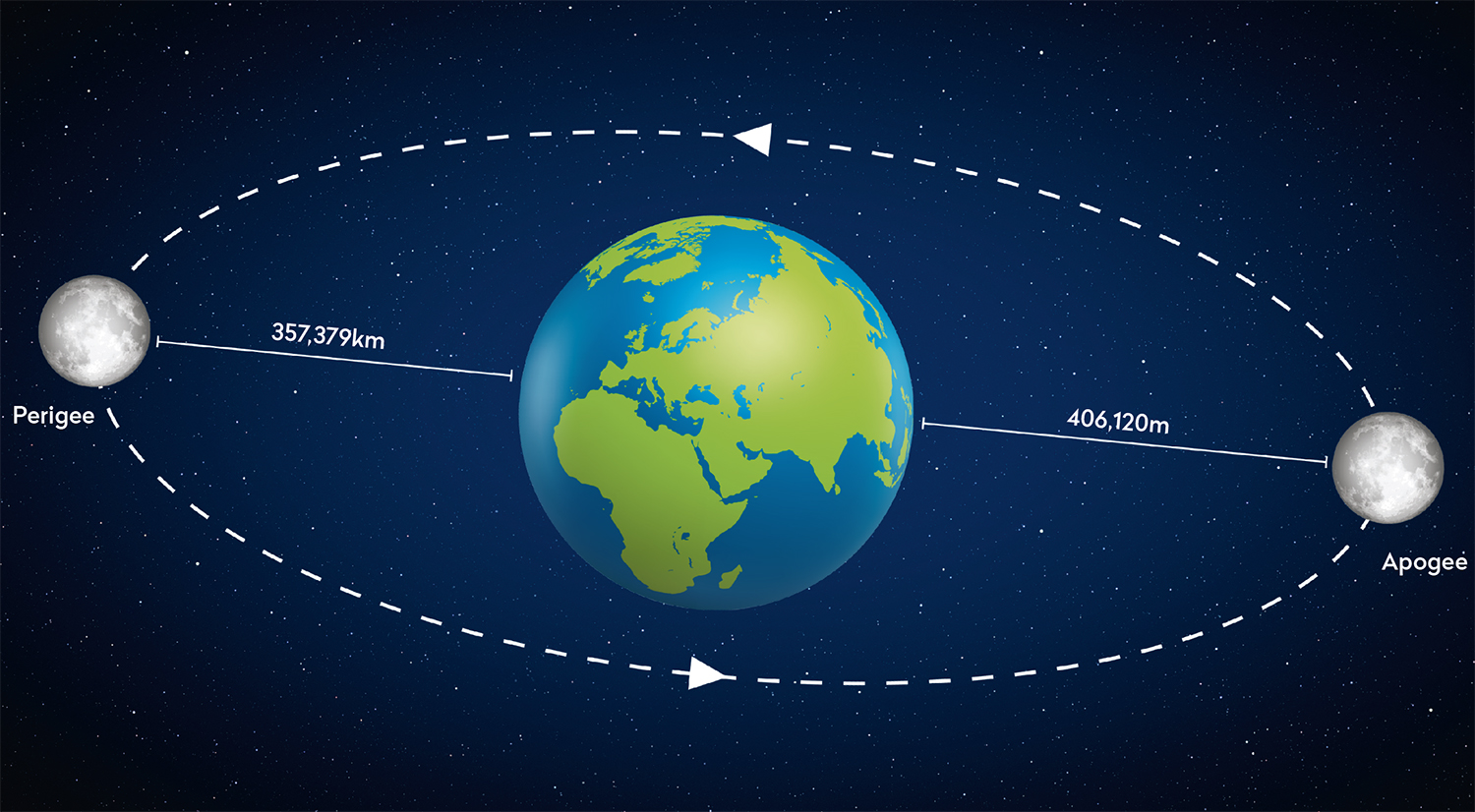
Because the Moon’s orbit around Earth is slightly oval-shaped rather than a perfect circle, its distance from us varies each month.
A supermoon happens when a full Moon coincides with the point when the Moon is closest to Earth, known as 'perigee'.
When this happens, it can appear up to 14% larger and 30% brighter than the year’s faintest full Moon.
However, the difference is essentially imperceptible to the naked eye and you're unlikely to notice that the Moon looks enormous.
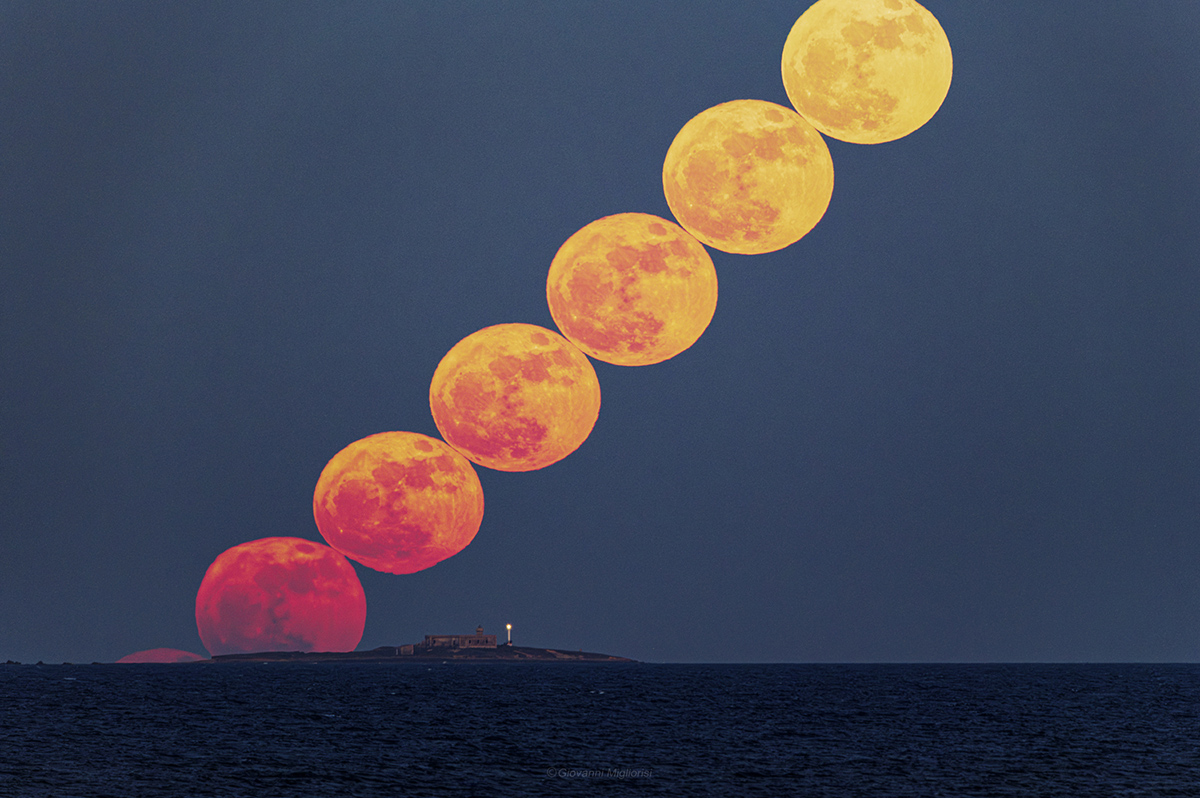
Unless, that is, you spot the Moon just above the horizon, in which case it could indeed look much bigger than usual.
But that's an optical effect known as the Moon illusion and nothing to do with it being a 'supermoon'.
More tips
How to watch the Beaver Supermoon rise
The best time to watch a full Moon rise is just around sunset. That's because the Moon is opposite the Sun in the sky, so it rises in the east around the same time the Sun is setting in the west.
Look towards the east-northeast horizon as twilight deepens. Choosing a spot with a clear, unobstructed view of the horizon will let you catch the full Moon rising.
As it rises, the Moon may look enormous and glow a warm amber or orange.
The former is a result of the Moon illusion and the amber hue is a result of Earth’s thick lower atmosphere scattering blue light, giving the Moon a reddish colour.
Beaver Supermoon meets the Seven Sisters
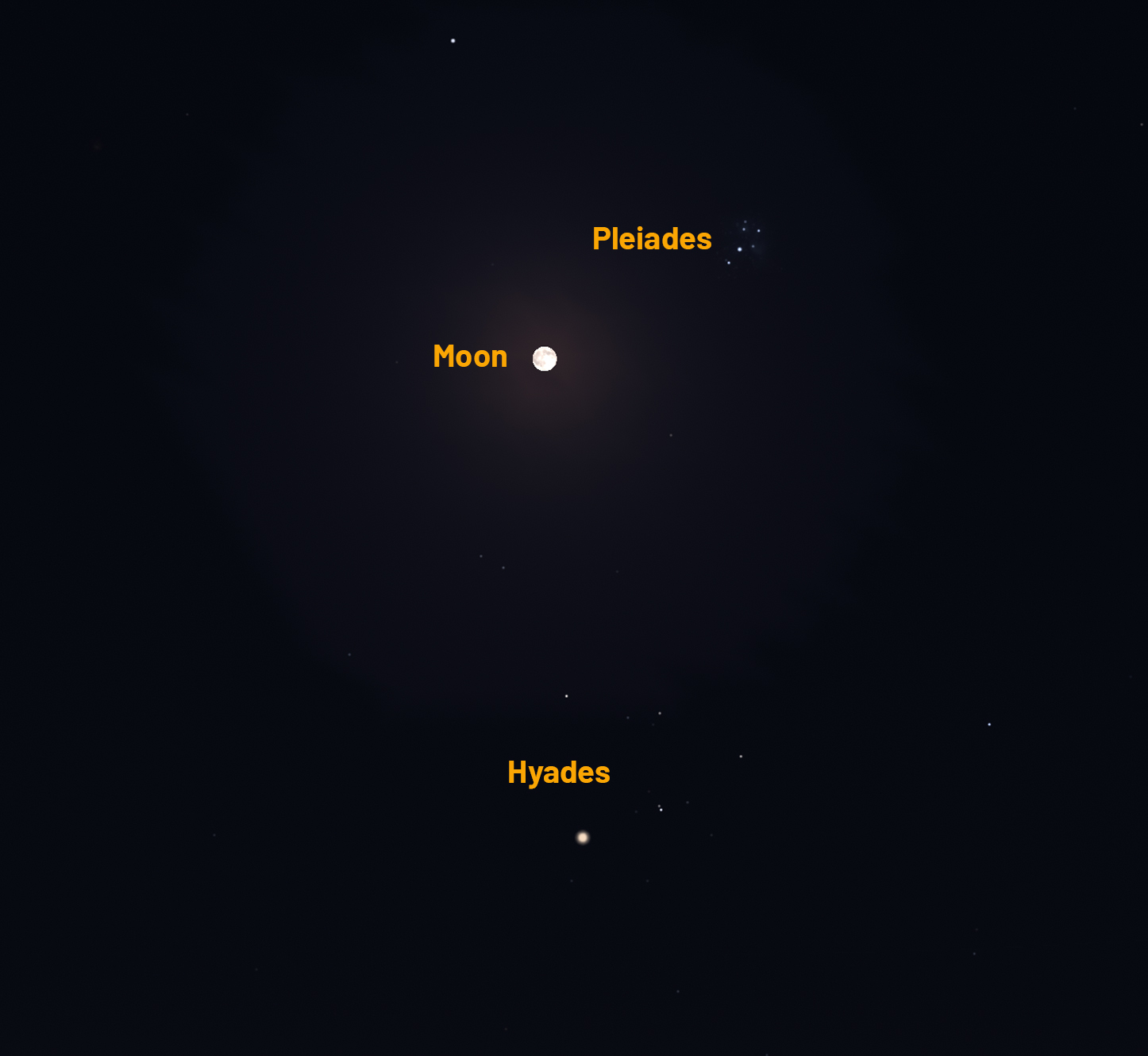
Once darkness falls, look closely just above and to the right of the Moon to find the Pleiades open star cluster, which is also known as the Seven Sisters.
Bright orange star Aldebaran is visible just below the Moon and, surrounding Aldebaran, you may be able to pick out another star cluster known as the Hyades. Its stars form a sort of sideways 'V' shape, like a '>' symbol.
However, the fact that the bright full Moon is so close to both star clusters in the sky will make the clusters much trickier to see than if the Moon was out of the way.
Here are some things you can do to help.
Beating the lunar glare
Give your eyes time to dark-adapt: Turn off lights, get away from light pollution and put your phone screen away. Let your eyes dark-adapt and your night vision will help you see objects in the night sky much clearer.
Use binoculars: Even basic 7×50 or 10×50 binoculars will enable you to see much more than you could with the naked eye.
Block the Moon: Position yourself so a building or tree, for example, hides the bright Moon while leaving the patch of sky just above and right of it visible.
Try averted vision: An evolutionary trait of human eyesight is that your peripheral vision is more sensitive at night. You may find that looking slightly to the side of the cluster, rather than directly at it, helps you see more of the Seven Sisters' stars. This is known as averted vision.
If you photograph the Beaver Supermoon close to the Pleiades, share your images with us by emailing contactus@skyatnightmagazine.com