If you're a space and astronomy fan, chances are you're already clued-up on dark matter.
This strange, invisible stuff cannot be observed directly, but it makes up more than a quarter of all the matter in the Universe.
Dark matter can't be seen, but space scientists can infer its existence because it behaves like a sort of gravity glue, preventing rapidly-rotating galaxies from tearing them selves apart.
More mind-blowing science
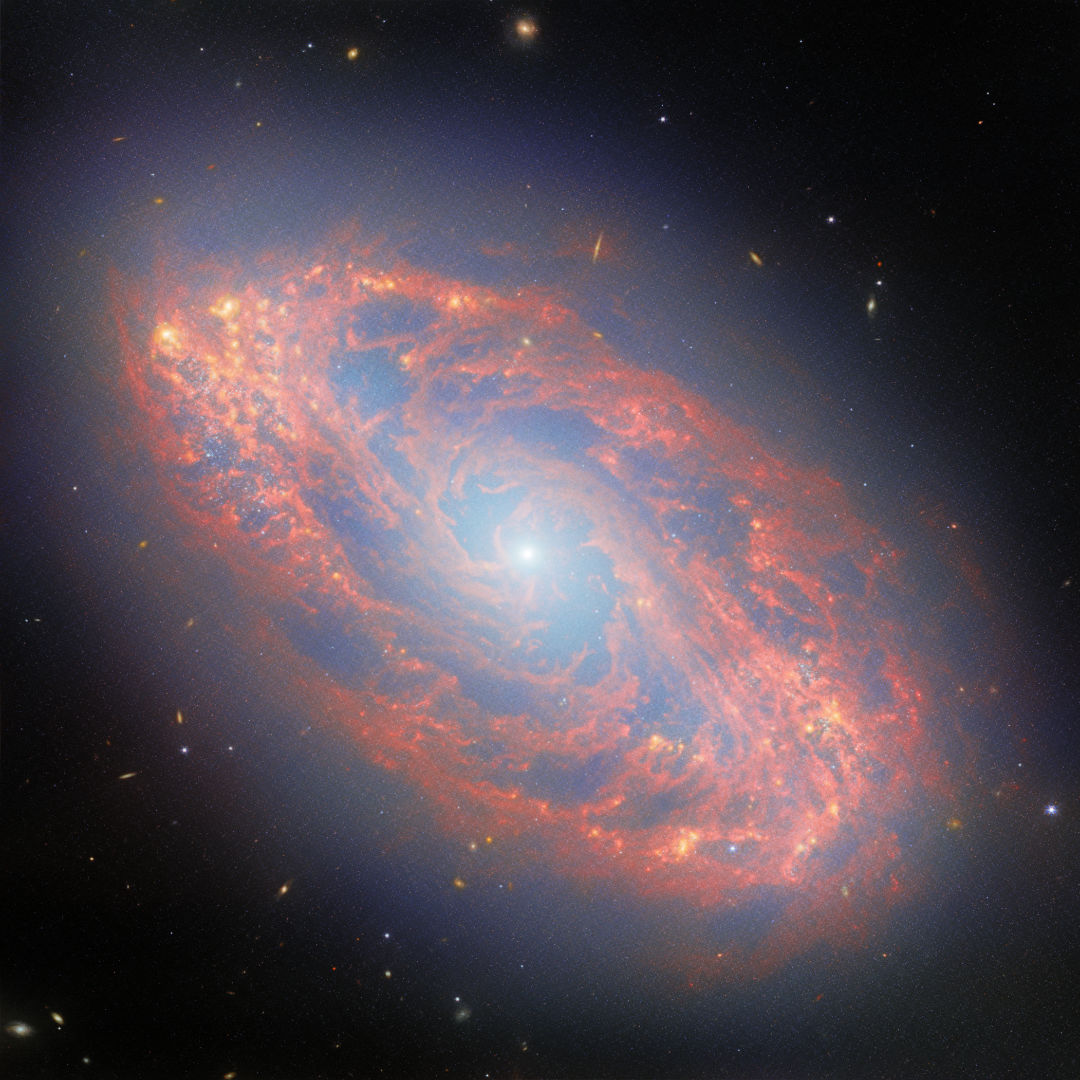
In other words, if we add up the amount of all the 'normal' matter in galaxies – stars, dust and things we can actually observe – we find there's not enough mass to produce the gravitational pull to hold galaxies together and prevent them from falling apart as they rotate.
There must be some extra mass that we can't see – and astronomers call this 'dark matter'.
Astronomers don't know what dark matter is. And it turns out there's quite a lot they don't know about ordinary matter, either.
In fact, quite a lot of 'normal' matter is missing. But astronomers now think they might have found it – and it's been hiding in plain sight all along.
Liam Connor is an assistant professor of astronomy at Harvard University, researching fast radio bursts and AI in astrophysics, and building large radio telescope arrays.
We spoke to him about 'normal' matter at the beginning of the Universe, why it seems to be missing and why scientists think they might have found it.

What do we consider normal or ‘ordinary’ matter?
When astronomers talk about normal matter, we’re referring to baryons.
By that, we just mean ‘the stuff of atoms’ – things like protons and neutrons.
And is some of this ordinary matter really missing?
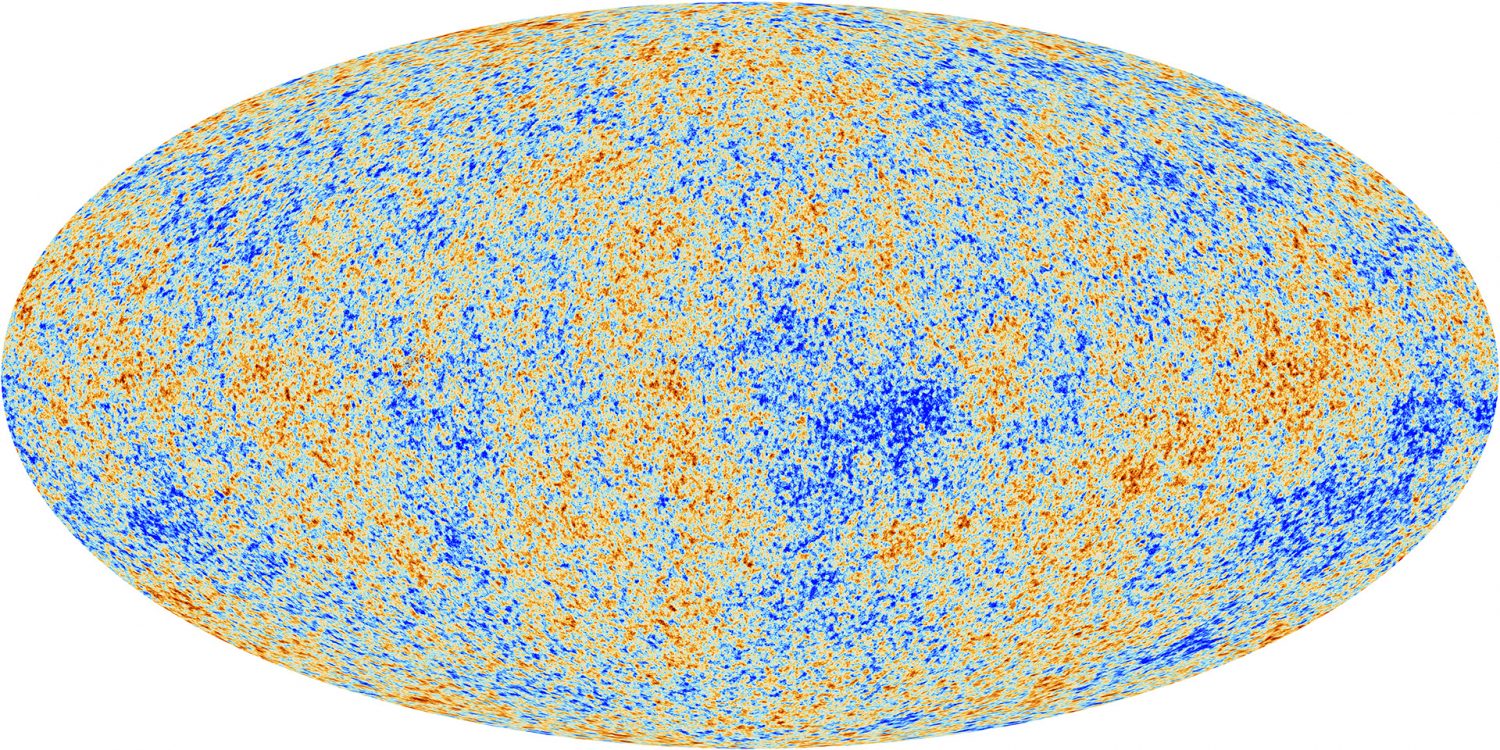
We can see leftover light from the Big Bang. We call this the cosmic microwave background radiation or CMB.
Fluctuations in the cosmic microwave background give us a snapshot of how things were around 400,000 years after the Big Bang.
It's a kind of ‘baby photo’ for the Universe, which tells us how much matter there was, both normal and dark.
All those atoms should still be here 13.8 billion years later.
But, if you count the stars and planets and dust you can see with your telescope, you’ll find a significant amount of matter appears to be missing.
Where was this missing matter?
Hiding! It turns out that most of the matter in the Universe is well outside of the haloes of galaxies.
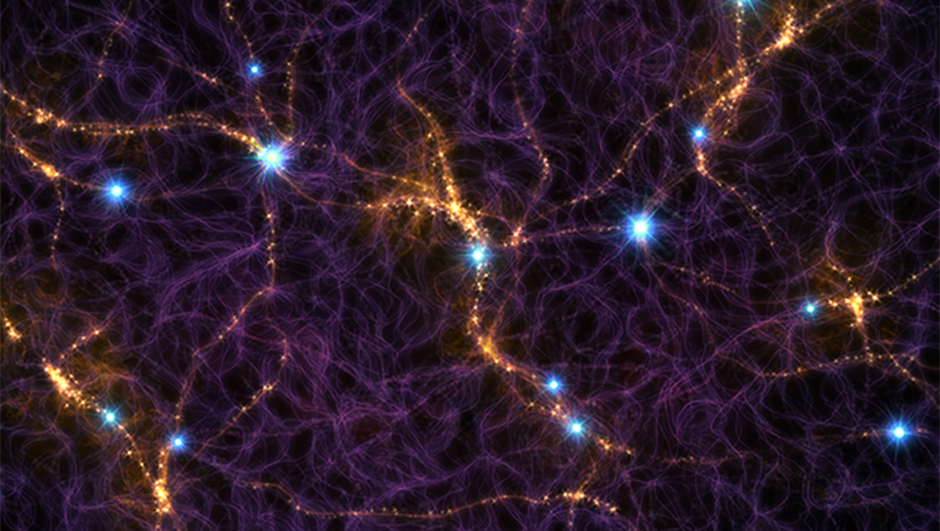
It’s a kind of wispy, diffuse state that we call the intergalactic medium.
If you zoomed out on an image of the Universe and kind of blurred your eyes, the intergalactic medium would look like a fuzzy cosmic web.
We used objects called fast radio bursts to help us find this matter.
What's a fast radio burst?
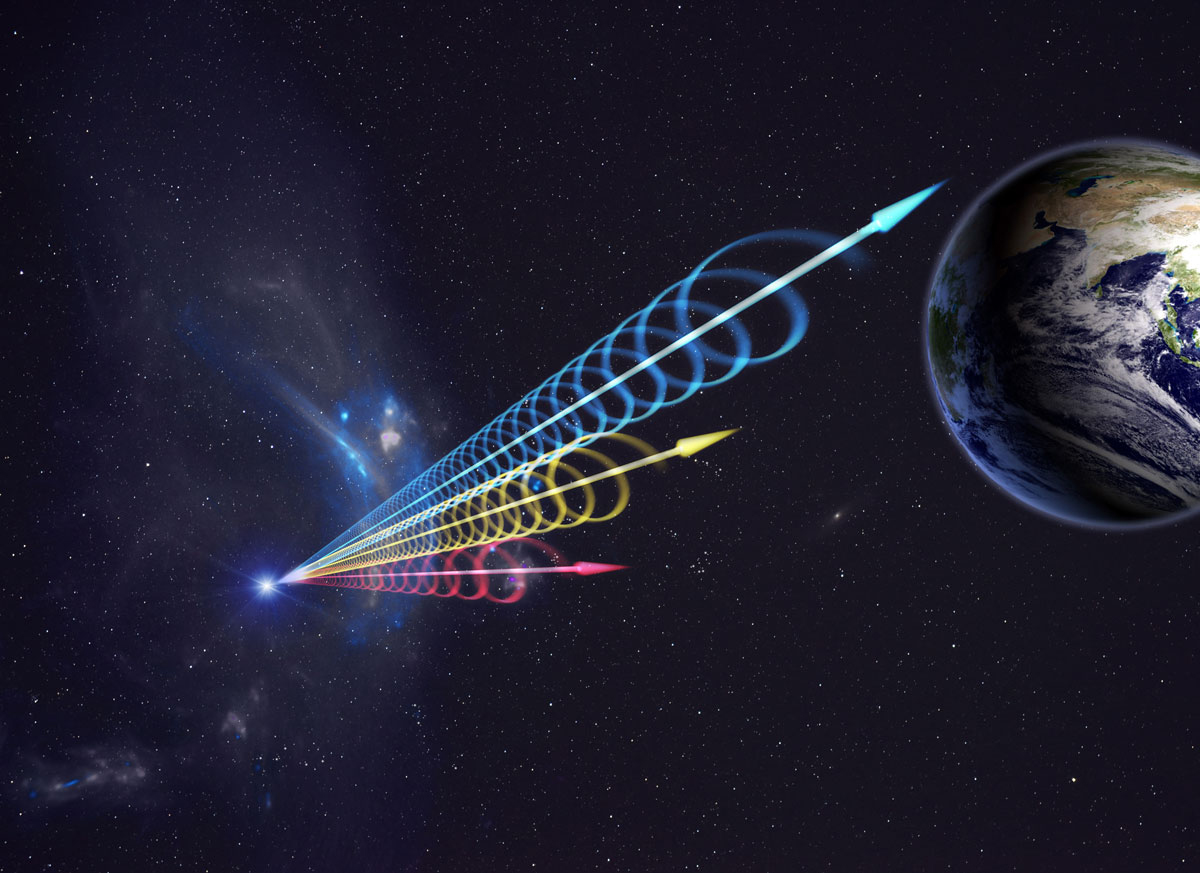
Fast radio bursts, or FRBs, are pulses of radio waves. They usually last around a millisecond, but can be as short as 10 microseconds – so they’re very fast.
They were discovered in 2007, so a relatively ‘new’ cosmic phenomenon. In the last decade, we’ve shown that FRBs are coming from billions of lightyears away.
How did you use FRBs to work out that there was so much missing matter?
The order of operations is like this.
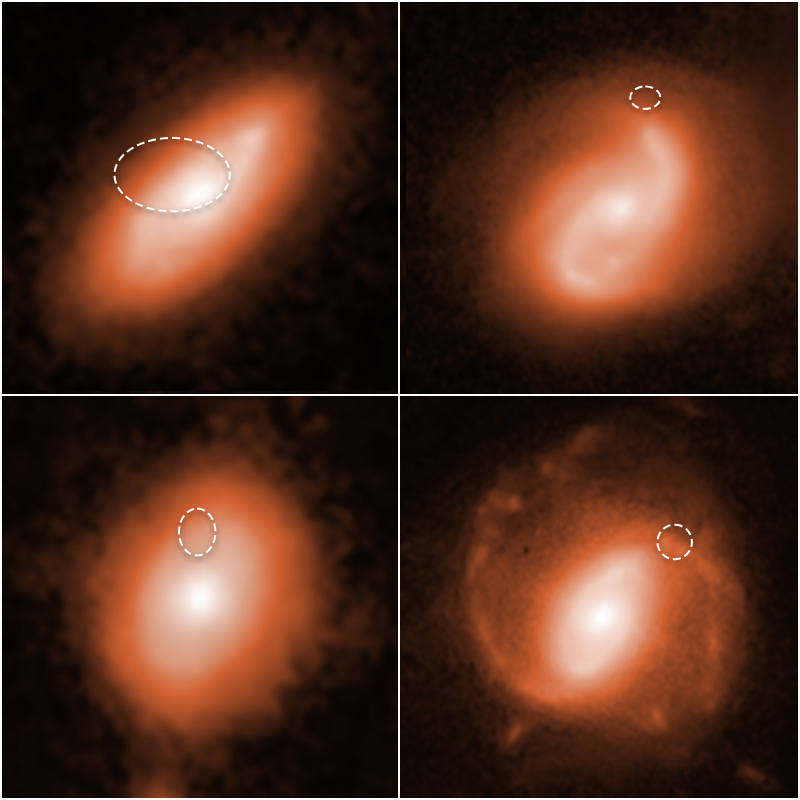
You see a little blip with a radio telescope, and you can pinpoint where it is on the sky and which galaxy it could be coming from.
You then use an optical telescope to follow it up, which gives you a fingerprint of the galaxy. It tells what type of galaxy hosts the FRB, and also how far away it is.
This tells us how much the radio waves were slowed down by intervening matter, which depends on the density of matter it interacts with.
By doing this, we can work out the average density of normal matter in the Universe.
A sample of, say, 50 or 100 FRBs tells you a lot about where the missing matter is hiding.
What could be causing fast radio bursts?
There’s no consensus yet.
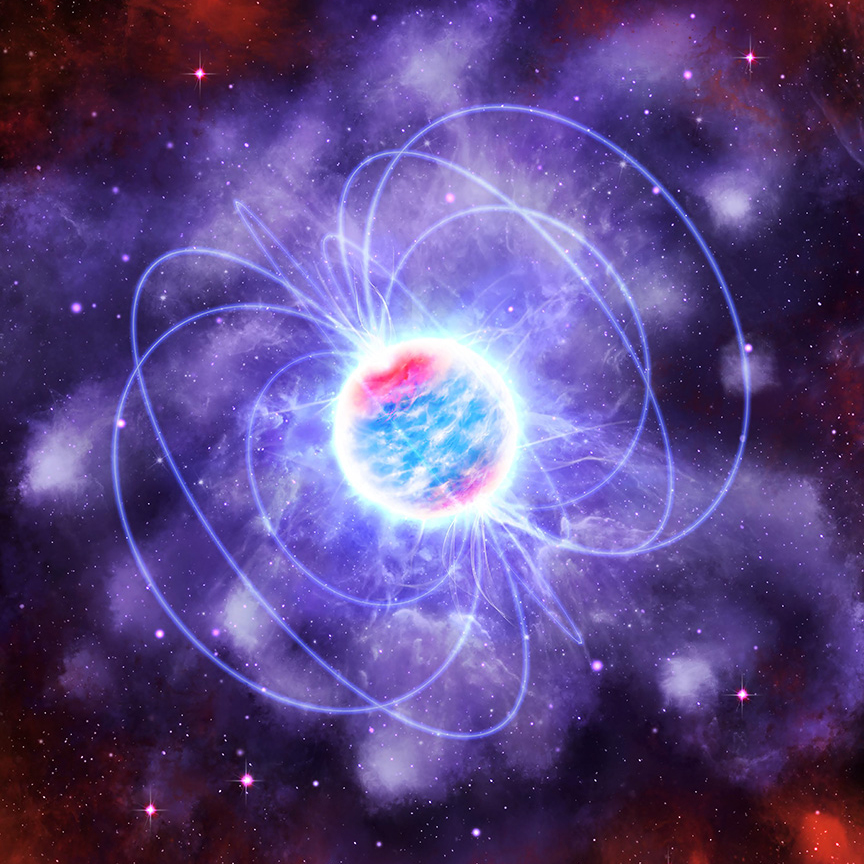
Many people would say neutron stars, which are what’s left behind when a very large star explodes and the remaining matter isn’t quite massive enough to form a black hole.
We think FRBs could come from a type of neutron star, which are relatively young and highly magnetised.
Whatever their origin, the fact that you can observe these radio bursts billions of lightyears away means that their source must be extremely luminous.
There aren’t many candidates for that type of object.
What are the implications of your discovery?
The most interesting aspect of our research paper is not that we found the missing ordinary matter, but that this matter was contained outside of galaxy haloes.
When galaxies form, they slosh matter around in a process called feedback.
Our results suggest that there is a strong and efficient feedback process that sort of smooths out the matter in the Universe.
What’s next for your team?
On some level, the fun really begins now.
For many years, we didn’t know the large-scale distribution of normal matter in the Universe. We couldn’t even find it.
Now, there are a host of unanswered questions that we can explore, like what is the distribution of gas in the Universe and how does that relate to the growth of supermassive black holes?
It also has a huge impact on precision cosmology.
For upcoming telescopes and projects like the Nancy Grace Roman or Euclid space telescopes, knowing where ordinary matter is can reduce systematic errors and enable us to more meaningfully interpret the data we record.