There’s a total solar eclipse on 12 August 2026, the path of totality forming a curved track taking it near Earth’s North Pole, down through Greenland and past western Iceland.
It then heads south across the Atlantic, passing west of the UK before hitting Spain and ending in the western Mediterranean.
Weatherwise, it’s an awkward one for eclipse chasers, the clearest conditions occurring at the southern end of the track where the near-setting Sun will be low in the sky.
August 2026 solar eclipse – complete guides
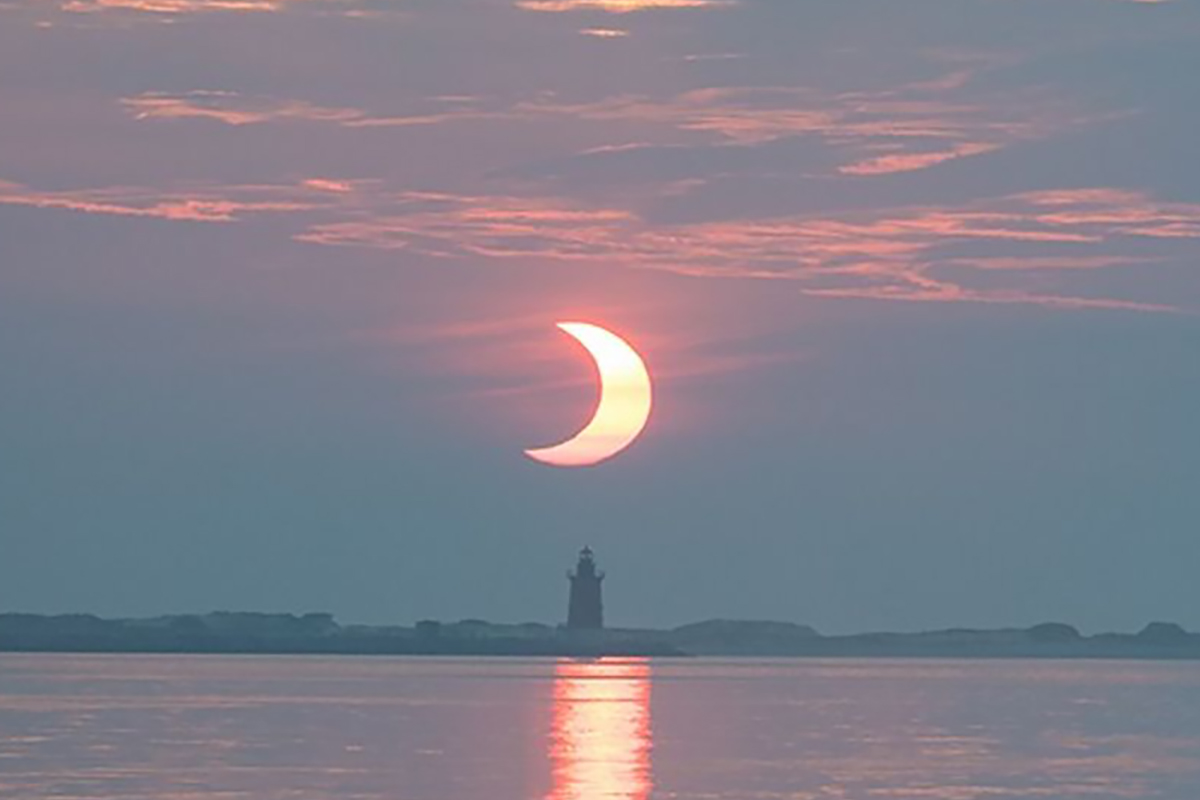
West of the UK, the prospects are poor, with a very high likelihood of cloud.
As it heads close to the coast of Greenland and then inland, there may be localised clearing.
Greatest eclipse occurs off the coast of Iceland, where clear skies aren’t expected.
UK and Ireland key timings
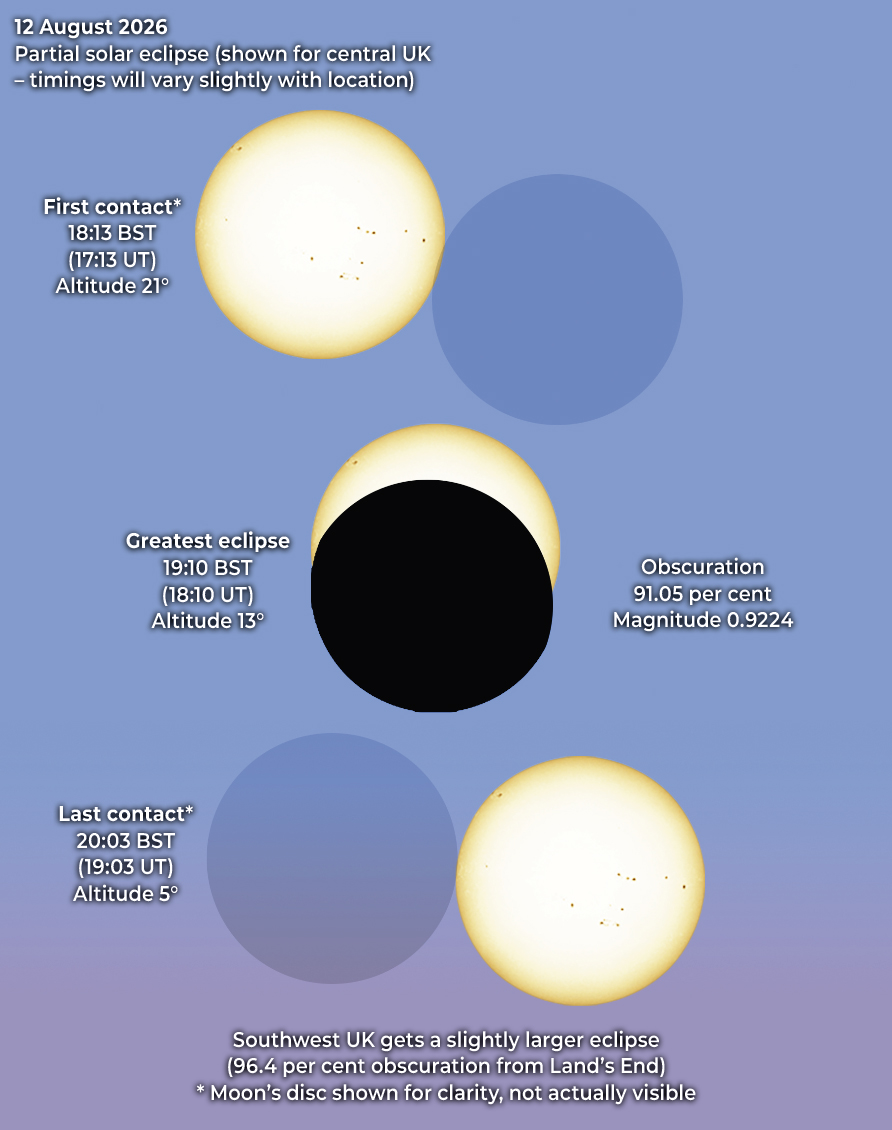
The UK and Ireland won’t experience totality during the August 2026 solar eclipse, but rather a significant partial.
A maximum eclipse magnitude of 96.6% will be visible from the southwest coast of Ireland.
Here are the key timings:
18:13 BST – from the centre of the UK, the eclipse begins with the Sun 21° above the western horizon.
19:10 BST – Maximum eclipse occurs, the Sun dropping to 13° altitude by this time.
20:03 BST – Partial solar eclipse ends with the Sun just 4° above the west-northwest horizon as seen from the centre of the UK.
What you'll see – and how to see it
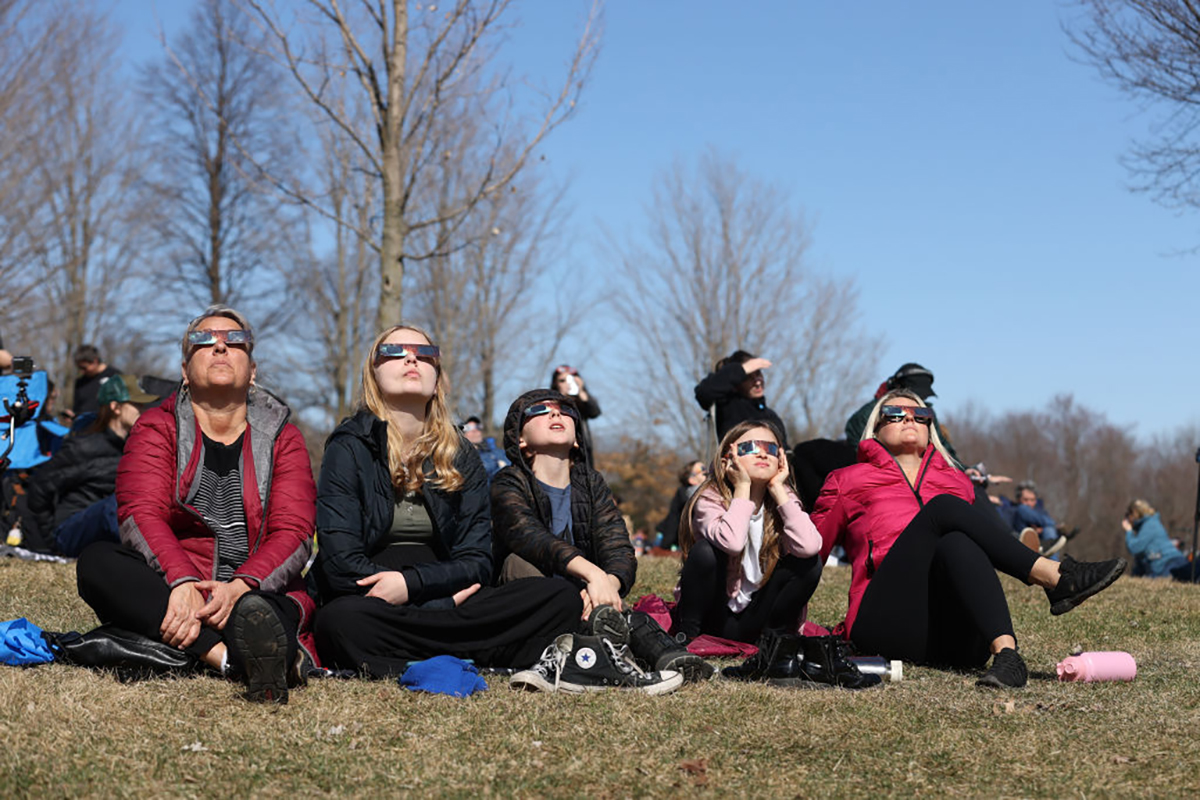
If the weather is kind, this should be an impressive sight. Of course, full solar safety precautions need to be taken to avoid damaging your eyesight or equipment.
Use a white-light filter in the form of certified eclipse glasses, certified filter material to DIY a filter for your scope, or buy a ready-made full-aperture filter.
At the peak of the eclipse, there will be enough of the Sun covered to create some interesting shadow effects.
More eclipse observing tips
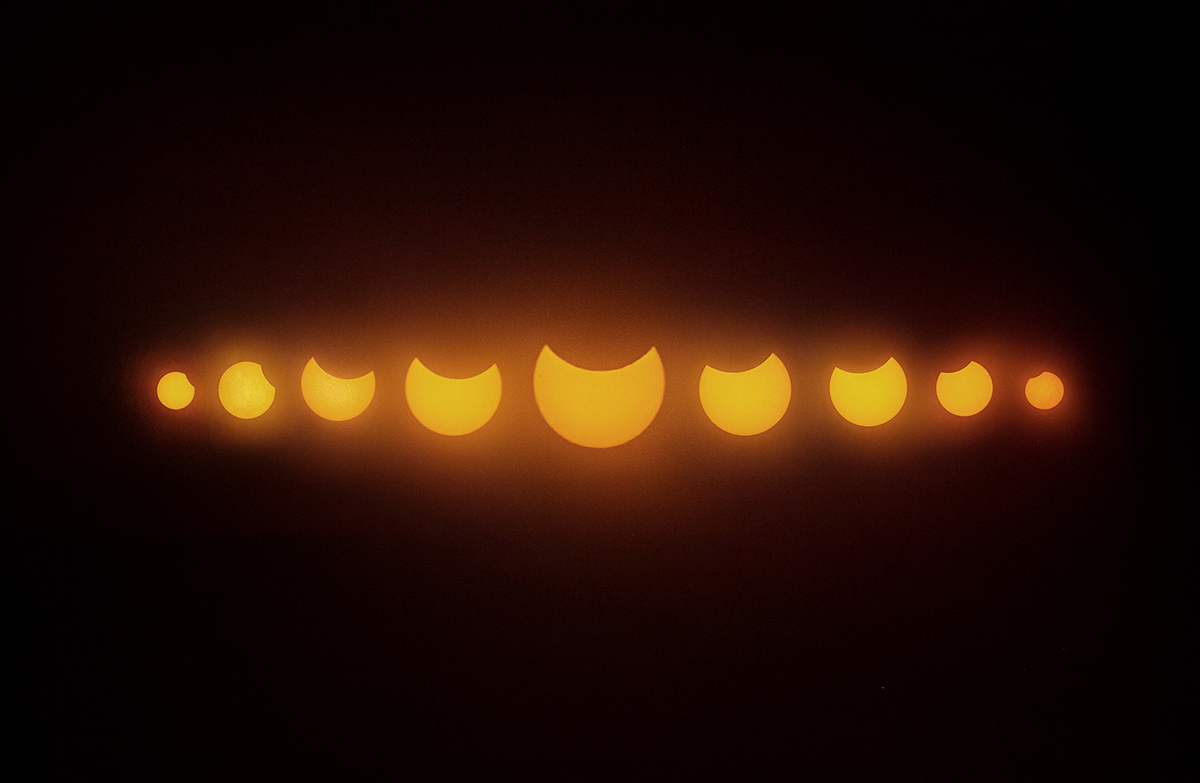
For example, a piece of square card oriented so one edge is parallel with the line between the horns of the Sun’s crescent will produce a shadow that’s sharp in one direction but blurred perpendicular to this.
This is caused by the crescent Sun acting as a pseudo slit light source, narrow across the width of the crescent, but extended along its length, the line between the two horns.
However you view it, this should be a spectacular event and a highlight of the 2026 astronomical calendar, as long as those pesky clouds stay away.
Even if clouds make an appearance, the event is long enough – at one hour and 50 minutes – to hopefully give some opportunity for clear skies.
Share your solar eclipse observations and images with us by emailing contactus@skyatnightmagazine.com