August will bring two opportunities to look skyward as a solar eclipse and the annual Perseid meteor shower overlap.
While the two celestial events are unrelated, both offer a reason to enjoy the outdoors during the day and night.
What’s a total solar eclipse?
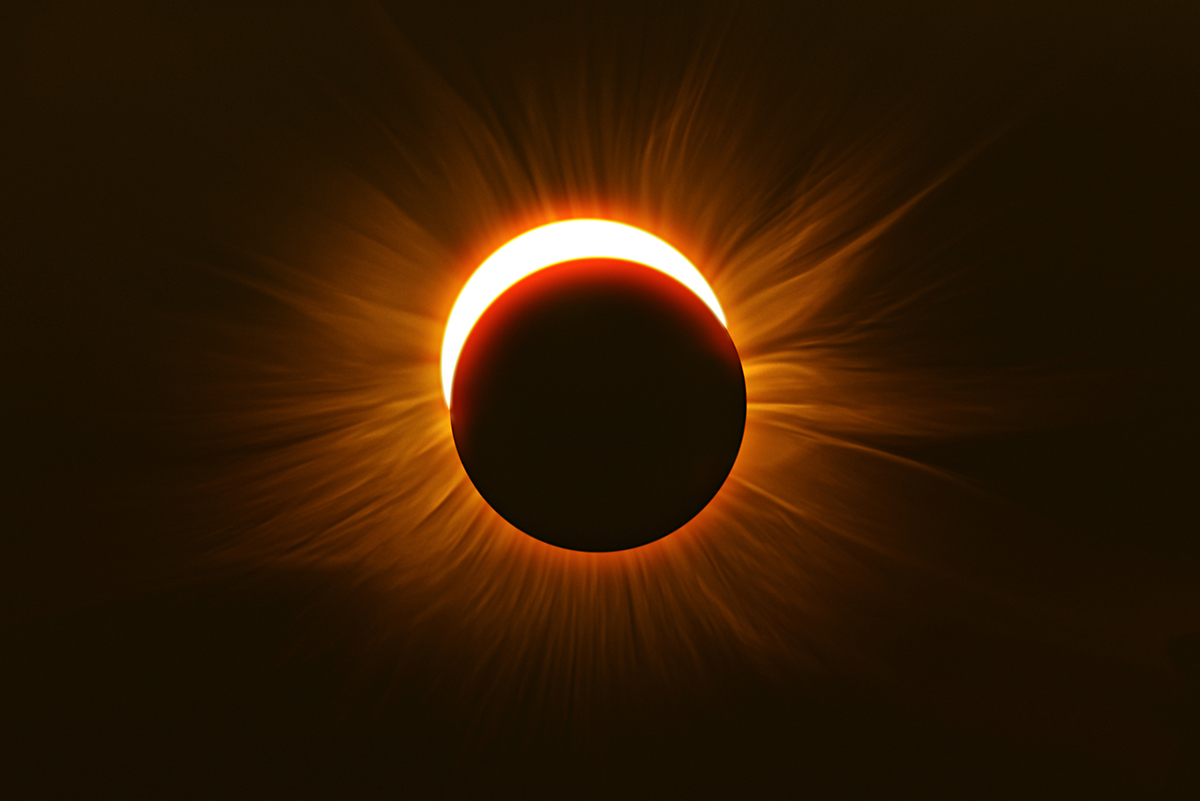
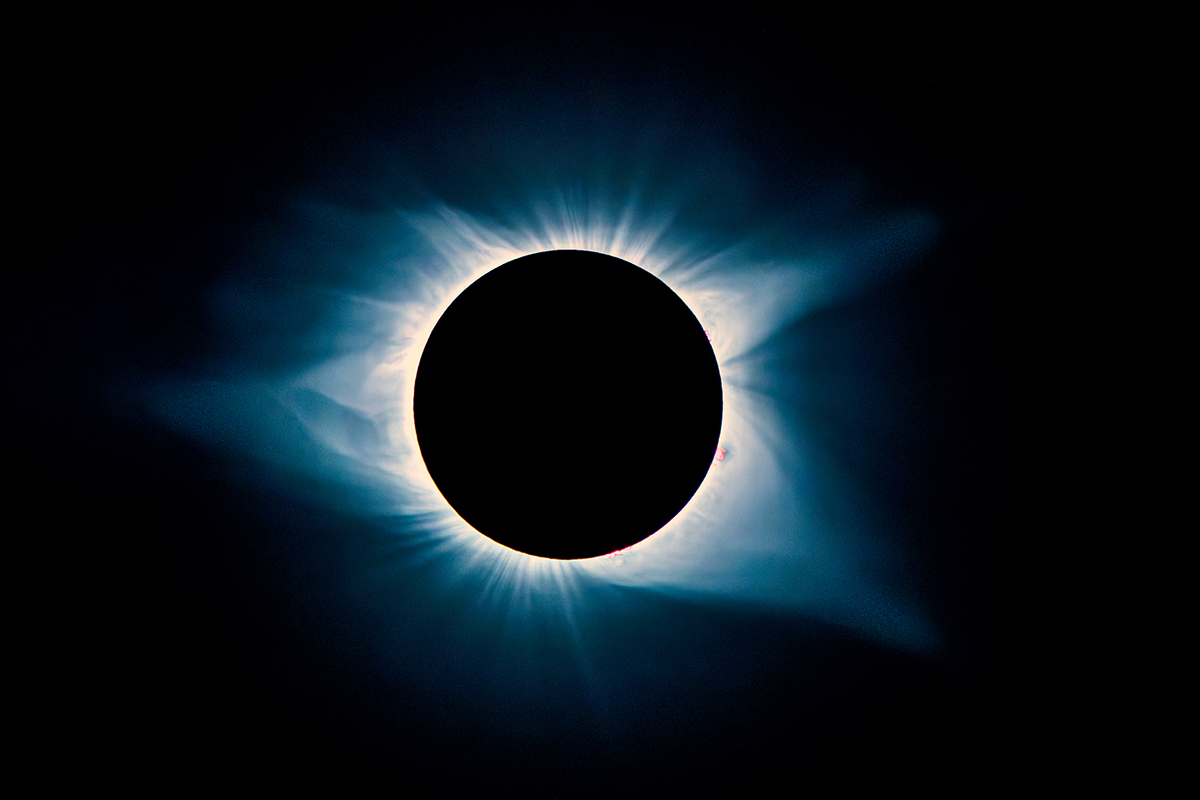
A total solar eclipse occurs when the Moon is perfectly aligned between the Sun and Earth and completely blocks the face of the Sun.
The Moon passes between the Earth and sun every lunar cycle, but its orbit is tilted slightly so it does not always block the Sun.
For any location on the planet, there is a chance to experience totality, when the sun is completely blocked by the moon, every 375 years like the most recent total solar eclipse that crossed North America in 2024.
What’s a meteor shower?
A meteor shower occurs when Earth passes through a stream of dust and debris left behind by a comet.
As those small pieces of material enter Earth’s atmosphere, they heat up and glow, creating the streaks of light we see as meteors.
For the Perseids, the parent body is comet 109P/Swift-Tuttle, which leaves behind the debris field Earth passes through each year.
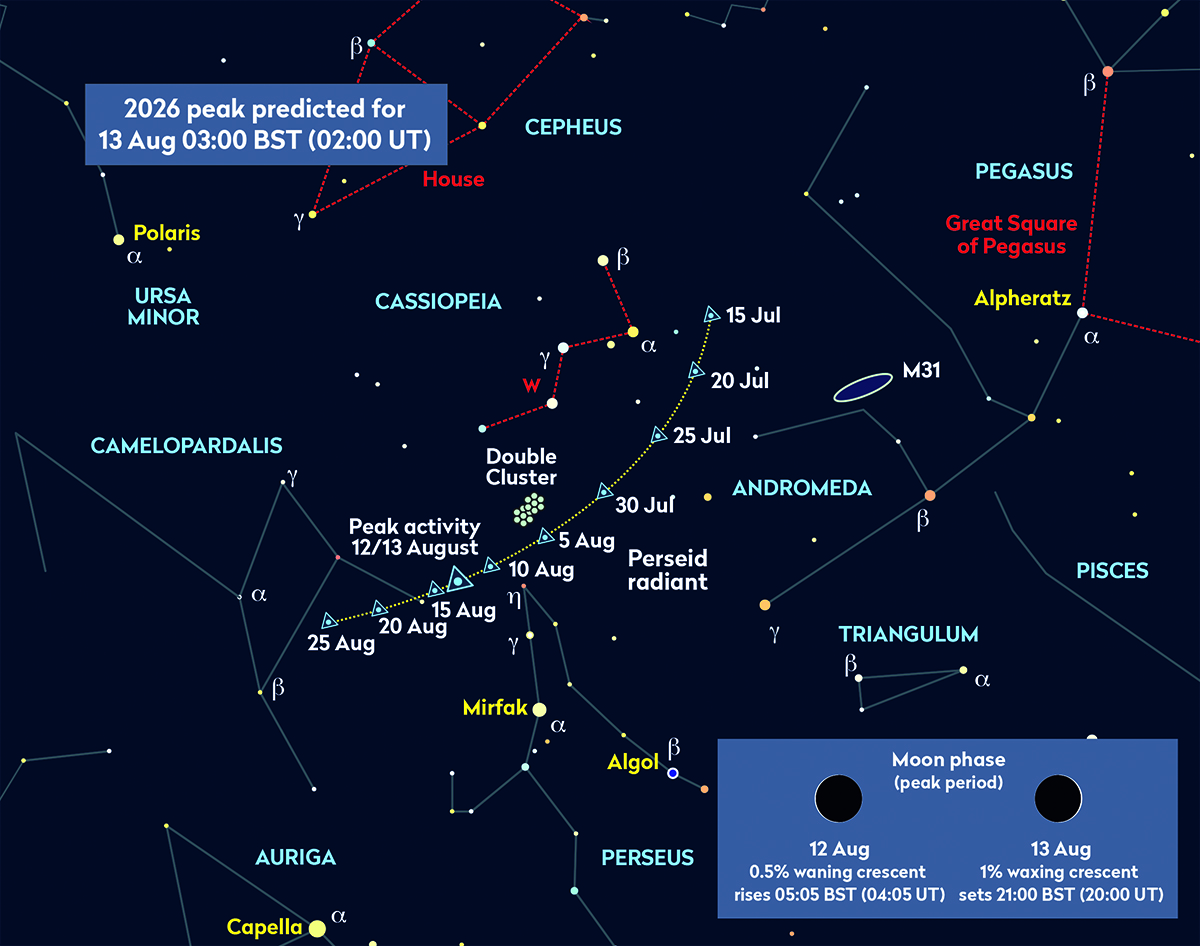
The meteors may appear to come from a single point in the sky, called the radiant, but they can be seen across the entire sky.
More on the eclipse
Is it unusual for a solar eclipse and meteor shower to happen at the same time?
It’s more of a coincidence than anything else.
The Perseid meteor shower happens every year and peaks in mid-August, while solar and lunar eclipses occur about twice a year. The two events don’t influence each other.
So, while the events may occur around the same time, there isn’t a connection between the two.
What will we see during the August 12 total solar eclipse?
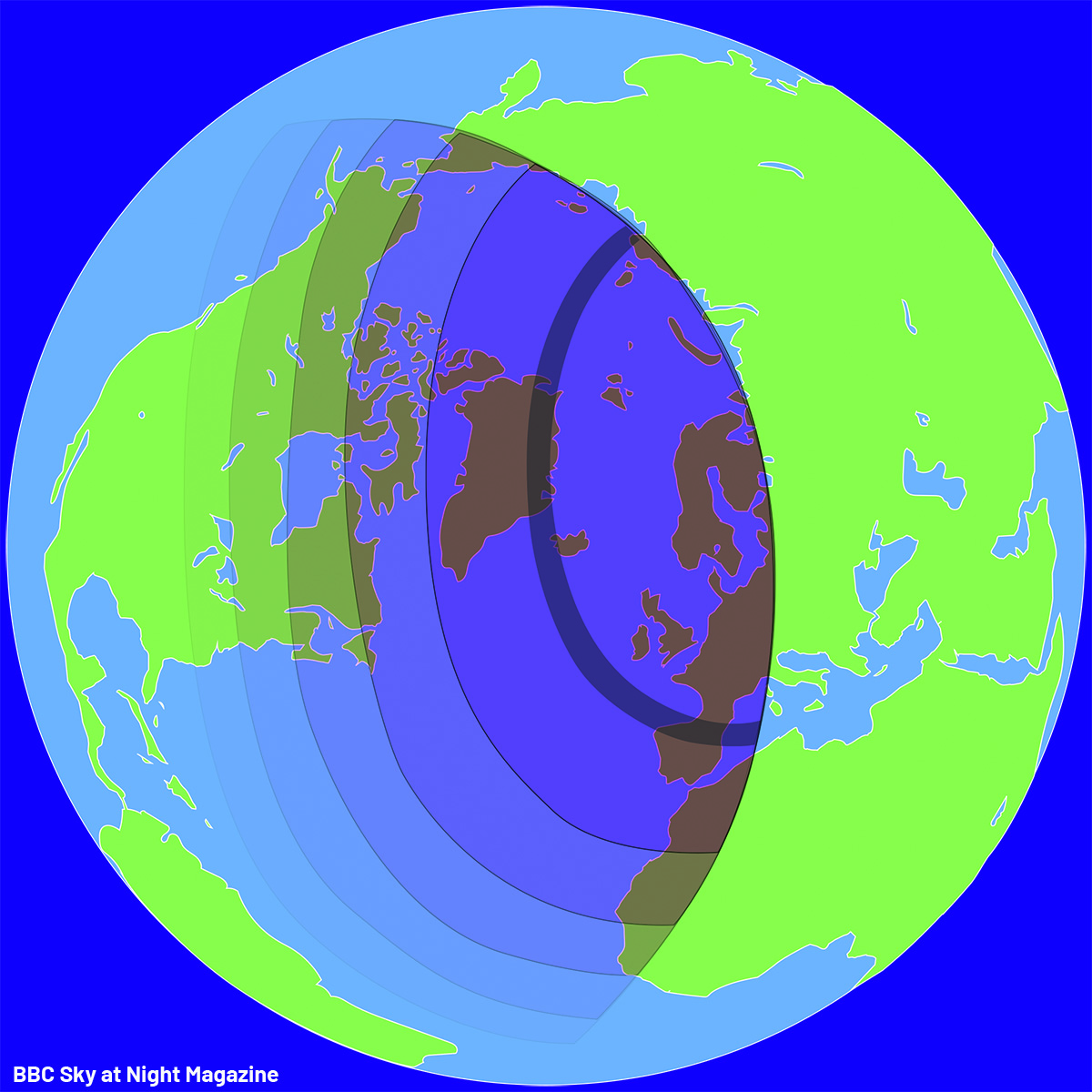
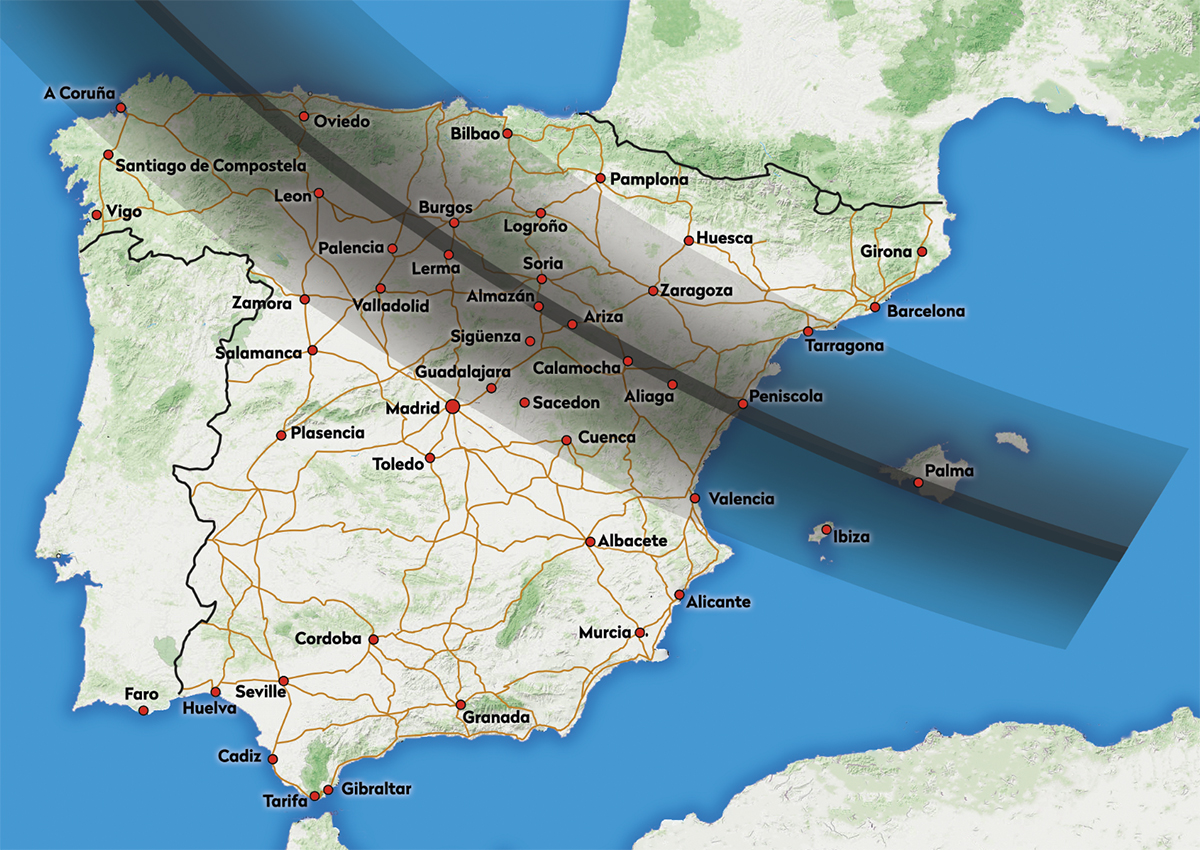
This will be a total solar eclipse, and it will be very impressive in other parts of the world. The path of totality passes through Greenland, Iceland and Spain.
Northeast Africa and most of western Europe will also see a significant portion of the sun covered as a partial eclipse.
Meanwhile, parts of North America including nearly all of Canada (poor Vancouver is left out) and the Northeast corner of the U.S. will see a partial eclipse.
For example, northern Maine will see about 29% coverage of the Sun during the peak of the eclipse. In Michigan, places like Sault Ste. Marie will see 7% and East Lansing only 2.4%.
If you’re viewing the eclipse, you’ll need proper solar eclipse glasses or another indirect viewing method to safely observe it.
Looking directly at the Sun without appropriate eye protection can cause permanent eye damage.
Binoculars or telescopes should never be used to look at the Sun without proper solar filters.
You can also enter your city and region into the Time and Date website to find out exactly how much of the Sun will be covered during the eclipse in your area or follow the eclipse online via the Eclipse App.
What makes the Perseid meteor shower worth watching?
The Perseid meteor shower is expected to be one of the top two meteor showers of the year.
The meteor shower is already underway, with the peak occurring on August 13.
The best viewing opportunities will be during the early morning hours of August 12, 13 and 14, before sunrise.
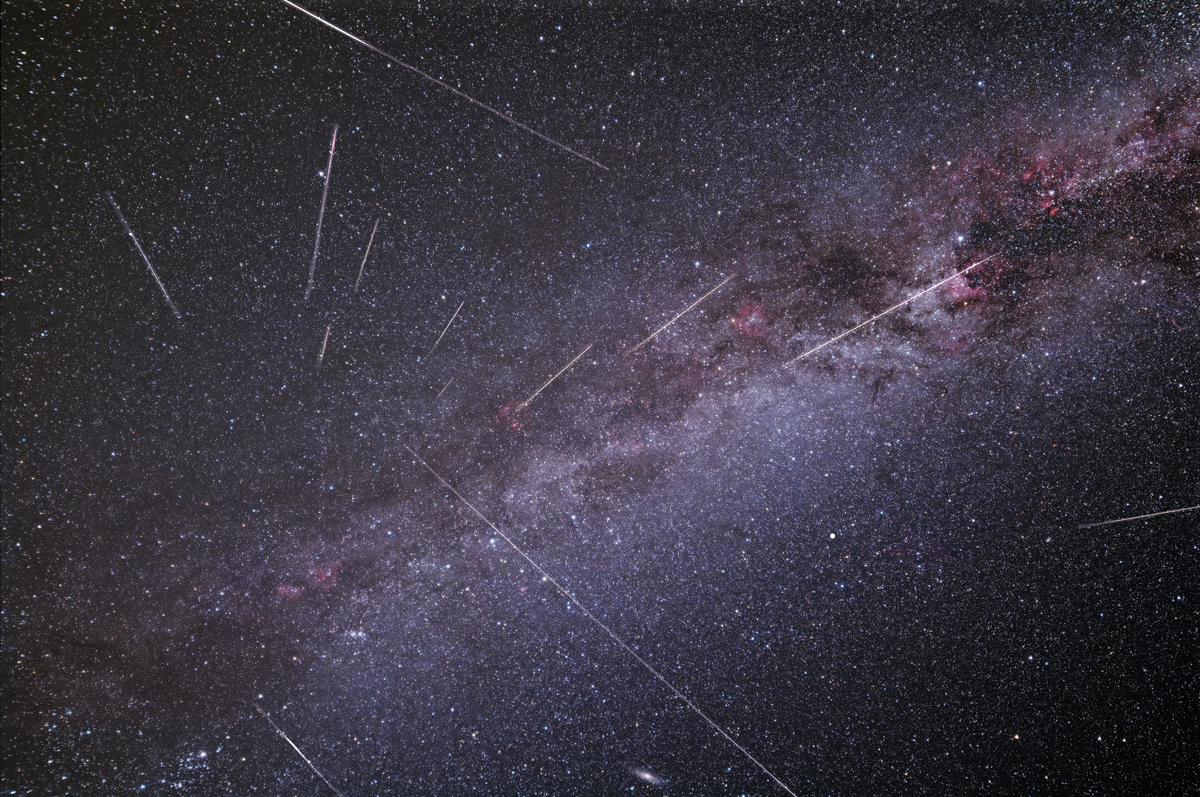
Under ideal conditions, the Perseids have a zenith hourly rate, which estimates the maximum number of meteors you can see in one hour, of about 100 meteors per hour.
Most people will see significantly fewer. But, spending an hour outside under a dark sky could still result in seeing a good number of bright meteors.
What’s the best way to watch the Perseids shower?
Get away from city lights, find a comfortable place to sit or lie down, and give your eyes time to adjust to the darkness. The best viewing will be during the early morning hours before sunrise.
You don’t need a telescope or binoculars. In fact, your best tool is simply your own eyes because meteors can streak across large portions of the sky.
And don’t be discouraged if you don’t see one immediately. The meteor shower lasts for several nights, and patience can pay off. You might see several bright meteors during an hour of watching.
So, grab a chair, get away from the city lights and look up. You may not catch every meteor, but you only need to see one to have a memorable night.
Share your eclipse and Perseid experiences and images with us by emailing contactus@skyatnightmagazine.com