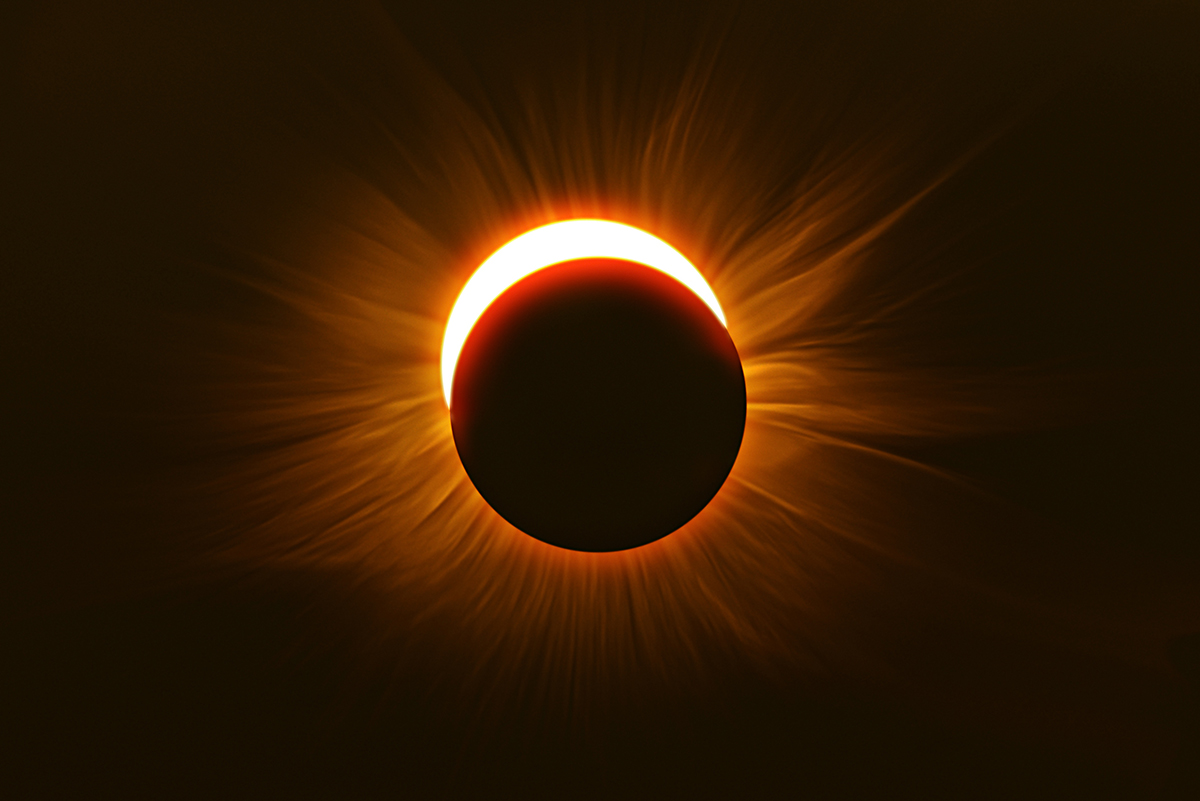
Wednesday 12 August 2026 is a day skywatchers all across Europe have been looking forward to for a long time: total solar eclipse day!
The eclipse will be only total from Greenland, Iceland and central Spain, but observers to the north and south of the track of totality will still see a partial eclipse – and that includes the UK and Ireland.
From the best viewing locations in the UK, i.e. those furthest south, over 90% of the Sun’s disc will be covered by the Moon, leaving only a thin crescent visible.
But the eclipse isn’t the only astronomical treat in store for skywatchers on 12 August. In fact, there’ll be so much to see that some are calling solar eclipse day the Glorious 12th!
Here’s the timetable/observing schedule for the day, with all times in BST.
More on the eclipse
11 August – the night before
21:00: Look for Venus shining low in the west after sunset, a bright 'Evening Star' clearly visible to the naked eye as a mag –4.3 silvery spark.
Having found Venus, get an early night, because you’ll need to get up early the next morning to get the big day off to a good start…
12 August – eclipse day
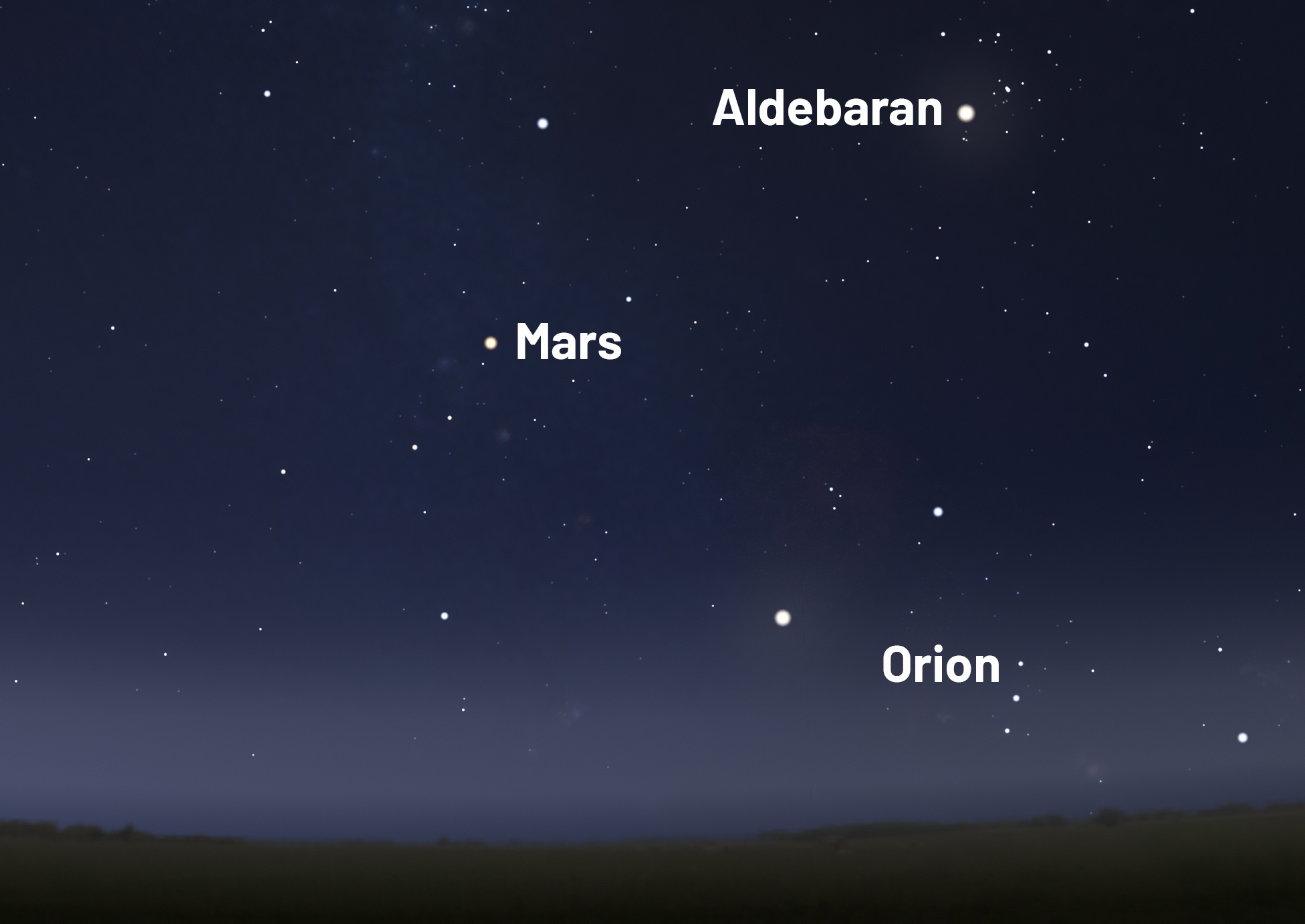
03:00: If you head out very early in the hours before dawn, you’ll be able to see the planet Mars shining low in the east.
At mag +1.3 it will be easily visible to the naked eye as an orange-hued star, but binoculars will enhance its brightness and colour.
05:00: Before the sky brightens too much, you’ll be able to see the elusive Mercury shining low in the east before sunrise.
At magnitude –1 it will be visible to the naked eye, but again binoculars will make it easier to see.
Note – as both these planets are visible in the east just before sunrise, care should be taken not to accidentally catch a glimpse of the morning Sun. Be sure to stop looking as soon as the Sun begins to rise.
13:00: By now we’ll be just 5 hours away from the start of the eclipse, so this will be a good time to check it for sunspots, using safe solar observing equipment and techniques such as a solar telescope or a telescope fitted with solar filters.
Never, EVER look at the Sun directly through a telescope unless it’s fitted with a high quality solar filter – if you do you will damage or even lose your eyesight altogether.
18:12*: The solar eclipse begins
19:08*: Maximum solar eclipse
20:00*: Solar eclipse ends
- Central UK times
21:00: With the eclipse over, look for Venus shining low in the west, just like last night. At mag –4.3 it will be easily visible to the naked eye.
Then you’ve just time to nip inside for a cuppa before heading out again…
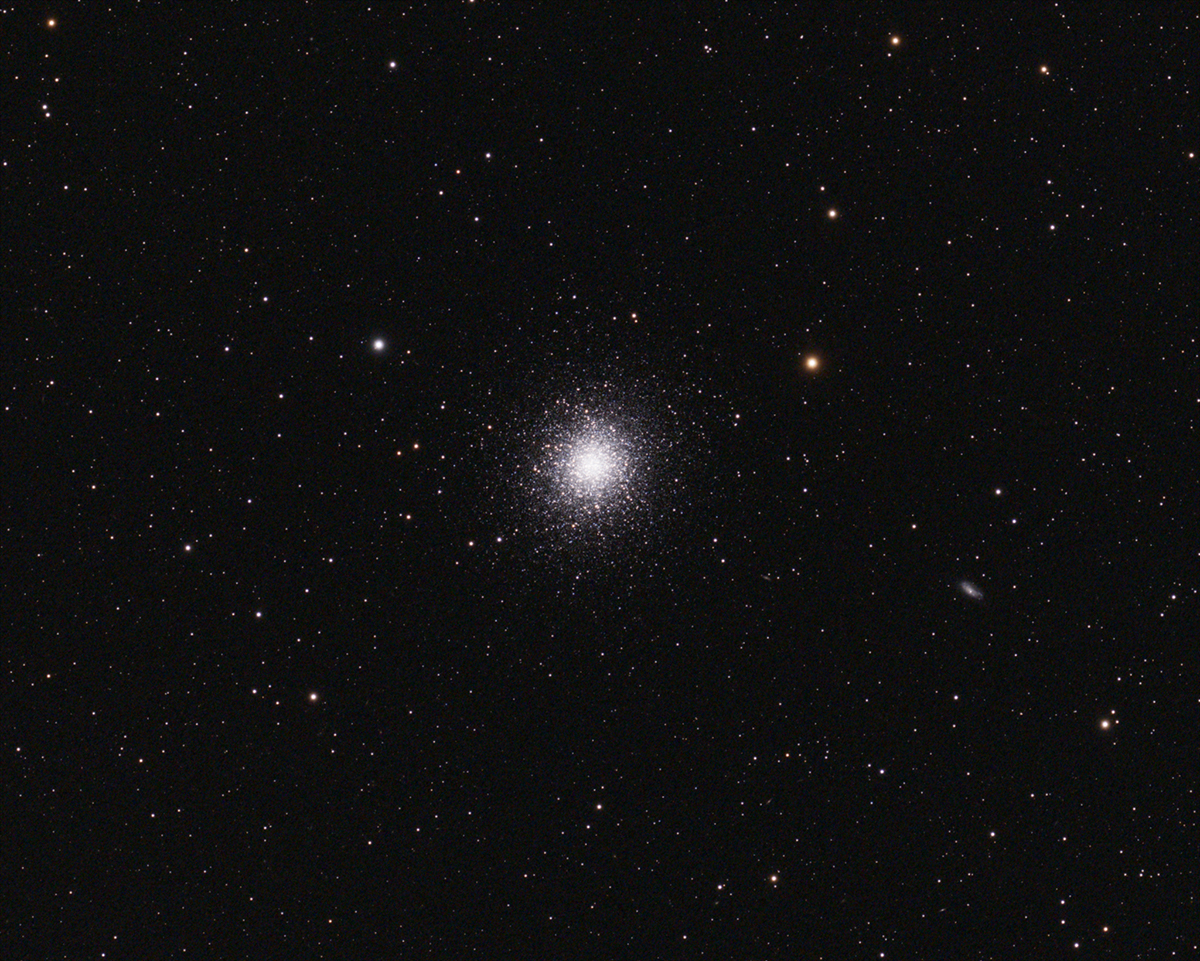
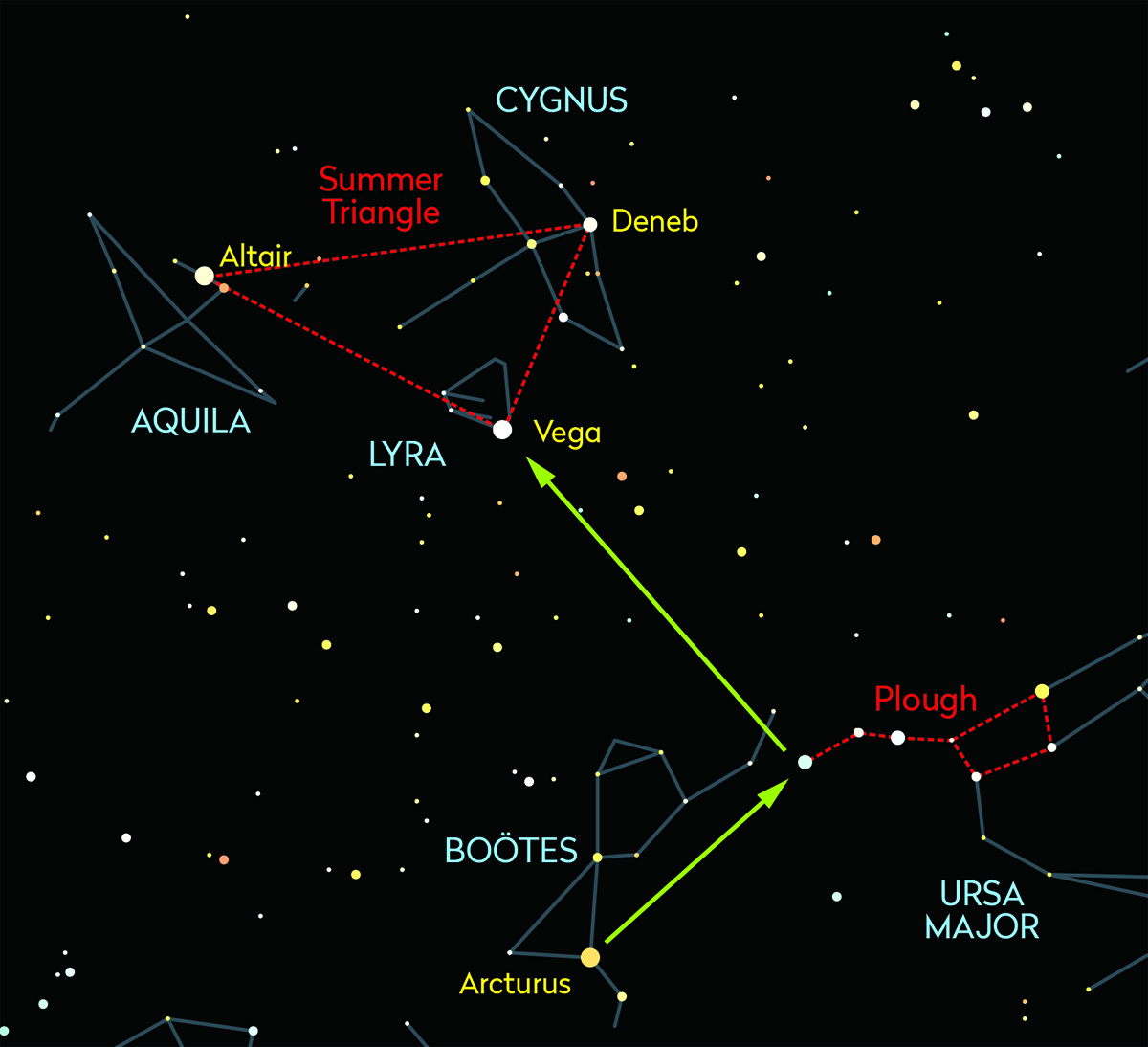
22:00: As stars of the Plough, Cygnus and the other major constellations appear, look for the globular cluster M13 in Hercules.
You’ll need binoculars to see it, and they’ll only show it as a tiny, smoky ball, but a small telescope will make it look much bigger and clearer.
22:00: You’ll find the planetary nebula M57, aka the Ring Nebula, close to the bright star Vega, which marks one corner of the famous Summer Triangle asterism.
Much smaller and fainter than M13, it only looks like a slightly out of focus star in binoculars, so you’ll need a telescope to see it as an actual smoky ring.
23:00: By now the sky will be dark enough for you to see one of the most famous objects in the whole sky: M31, the Andromeda Galaxy.
It will be quite low in the east, but still visible to your naked eye as a pale, small smudge, provided you have truly dark skies. Binoculars will show it better.
Then it’s time to head back inside and warm up with a coffee before going out again to enjoy the climax of the big day…
23:00 onwards This year, with no Moon in the way, the annual Perseid meteor shower should be seen at its best.
Although it won’t 'light up the sky' as social media posts are claiming, it will still be fascinating to watch.
If you can get to somewhere dark, away from light pollution you should see a shooting star every minute or so after midnight.
Share your eclipse and stargazing stories and images with us by emailing contactus@skyatnightmagazine.com