Want to photograph the August 2026 solar eclipse? This guide is for you.
August 2026 is a month for eclipse chasers. If the weather is kind, there’s a chance to see a total solar eclipse – or a significant partial solar eclipse, depending on where you are – on 12 August, followed by a partial lunar eclipse on 28 August.
If you’re wondering what we mean by a ‘significant’ partial, it’s that (as seen from the UK and parts of Europe) more than 90% of the diameter of the Sun and Moon will be covered at the point of greatest eclipse.
The solar eclipse occurs in the late afternoon from the UK and Europe. At its peak, the Sun will look like an impressive crescent.
More on the solar eclipse
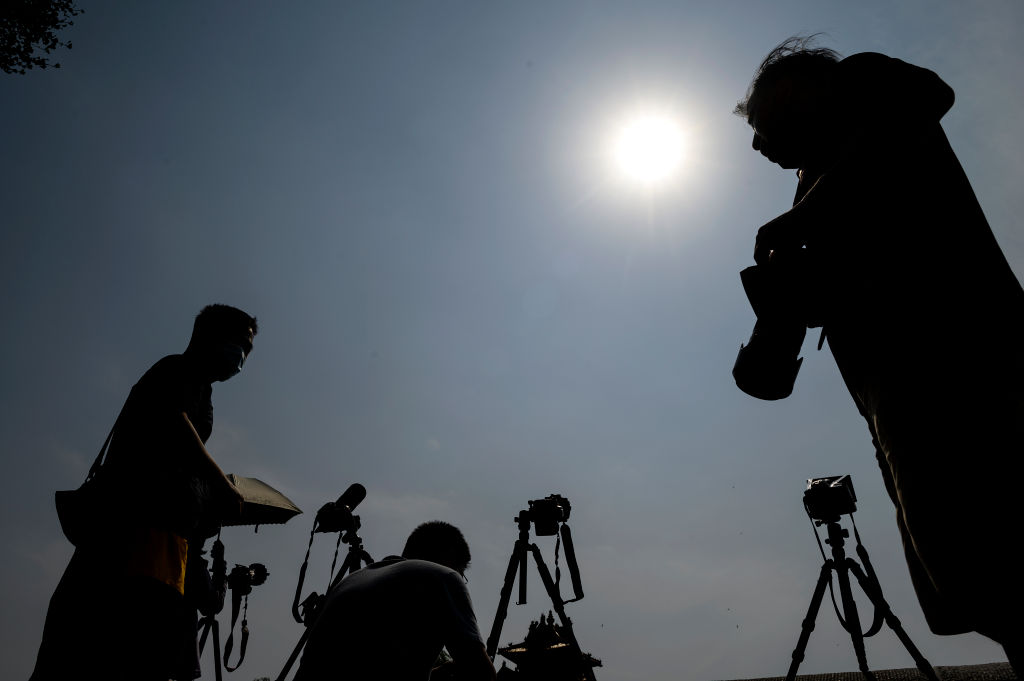
Note that, as its surface will still be visible, that crescent still requires the use of an appropriate safety filter.
An alternative way to safely view it is to create a 1–2mm hole in a piece of card and project the image onto another piece of white paper or card.
You’ll need to be at least one metre from the screen to get a decent-sized pinhole projection of the eclipse.
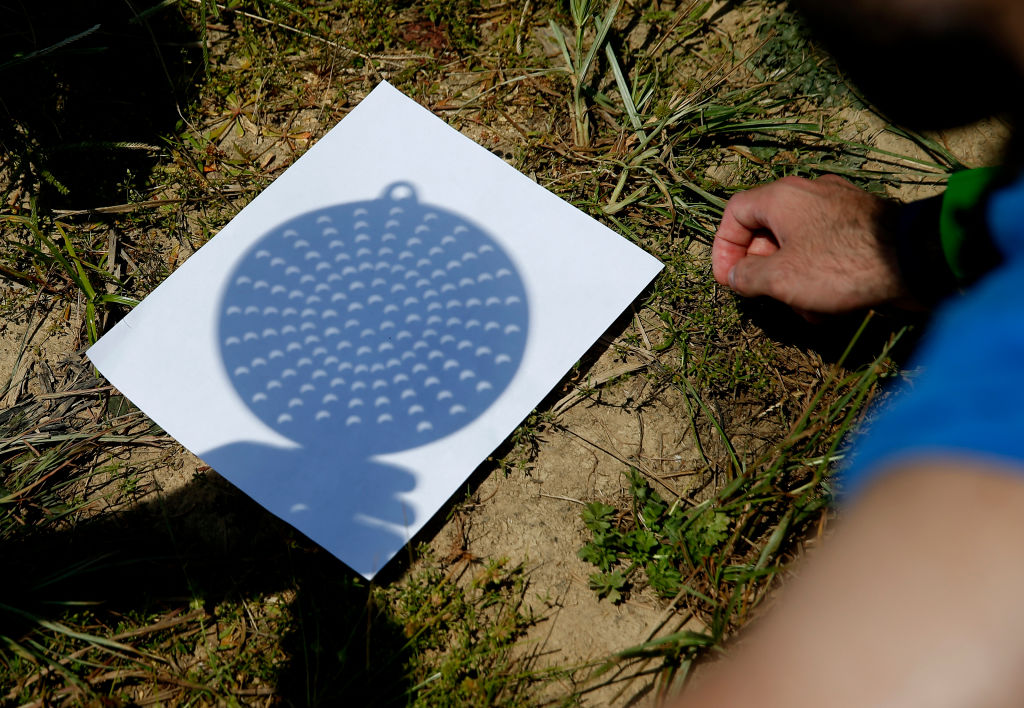
This is a particularly good way for children to get involved, especially as they can get creative and make patterns with lots of holes, each projecting a small image of the eclipse as it progresses.
For those who want to take more direct photos, a filter must be used on the front of any lens or telescope pointed at the Sun.
Although this eclipse is in the late afternoon, the altitude of the Sun from the centre of the UK as the eclipse ends is still over 10°, meaning it will still be bright and powerful.
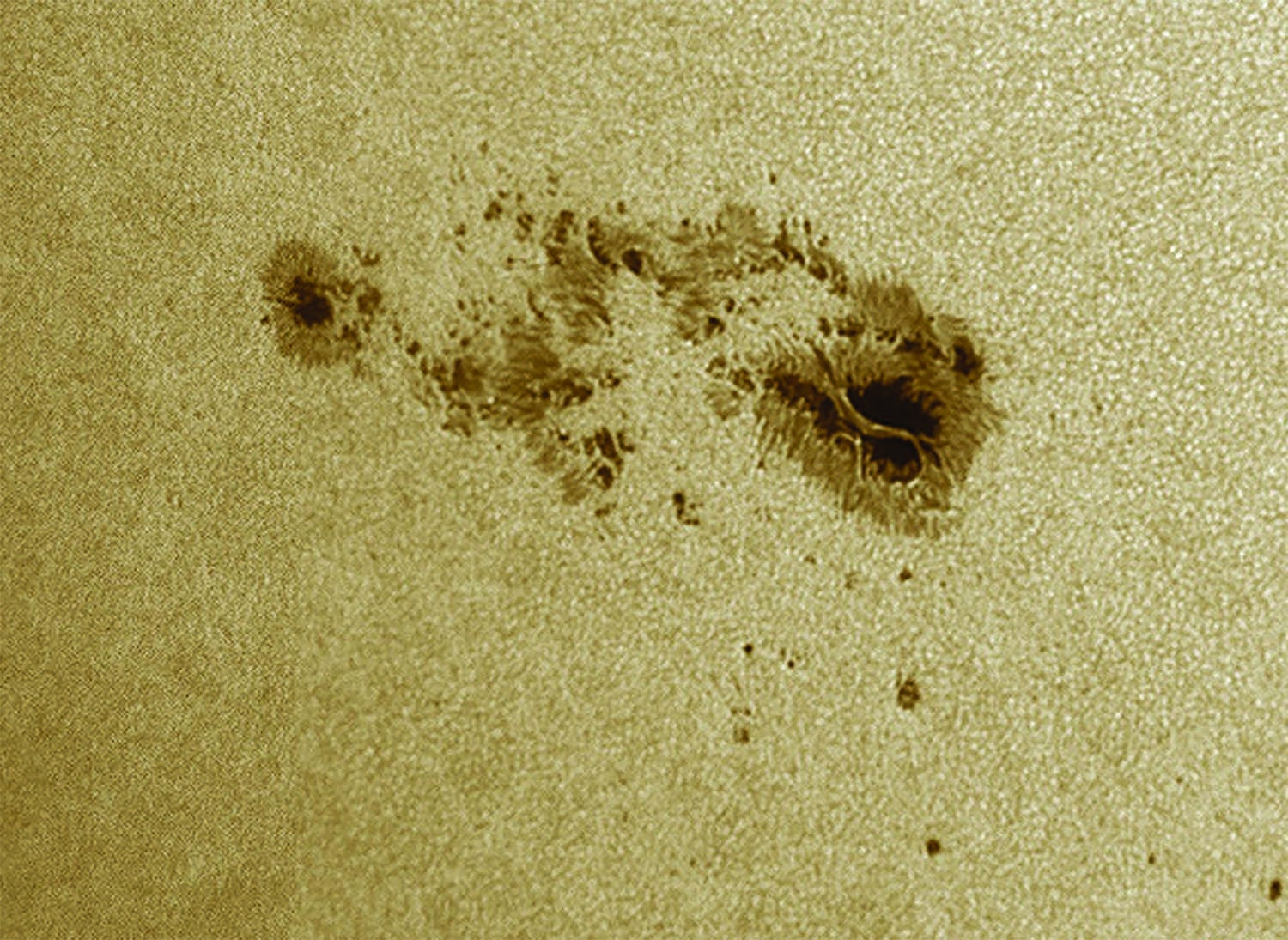
White-light filters will work well for this event and have the benefit of being relatively inexpensive.
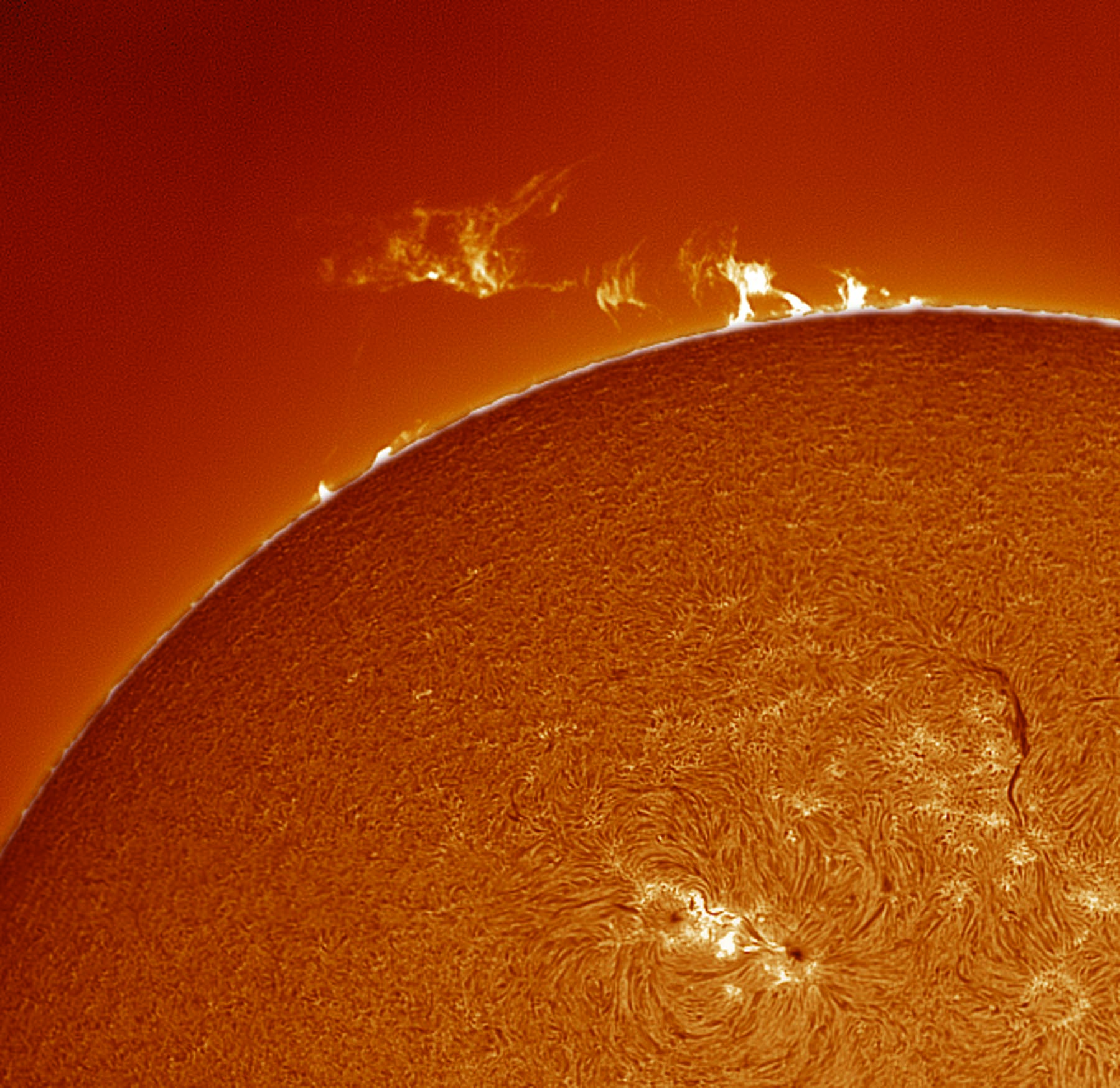
Narrowband filters tend to be more costly, but offer a different view of the event.
The bonus with hydrogen-alpha filters is that they also show additional features not visible through white-light filters, such as prominences and filaments.
Sunspots may well be visible through a white-light filter, adding a little extra to the view, but the fine detail visible through a hydrogen-alpha filter really lifts any image and adds many more points of interest.
Equipment to photograph the August 2026 solar eclipse
- Camera
- Tripod
- Telephoto lens/telescope
Here are our top tips and best steps for preparing to photograph the 12 August 2026 solar eclipse, including advice for what to do on the day.
Start rehearsing a few days before
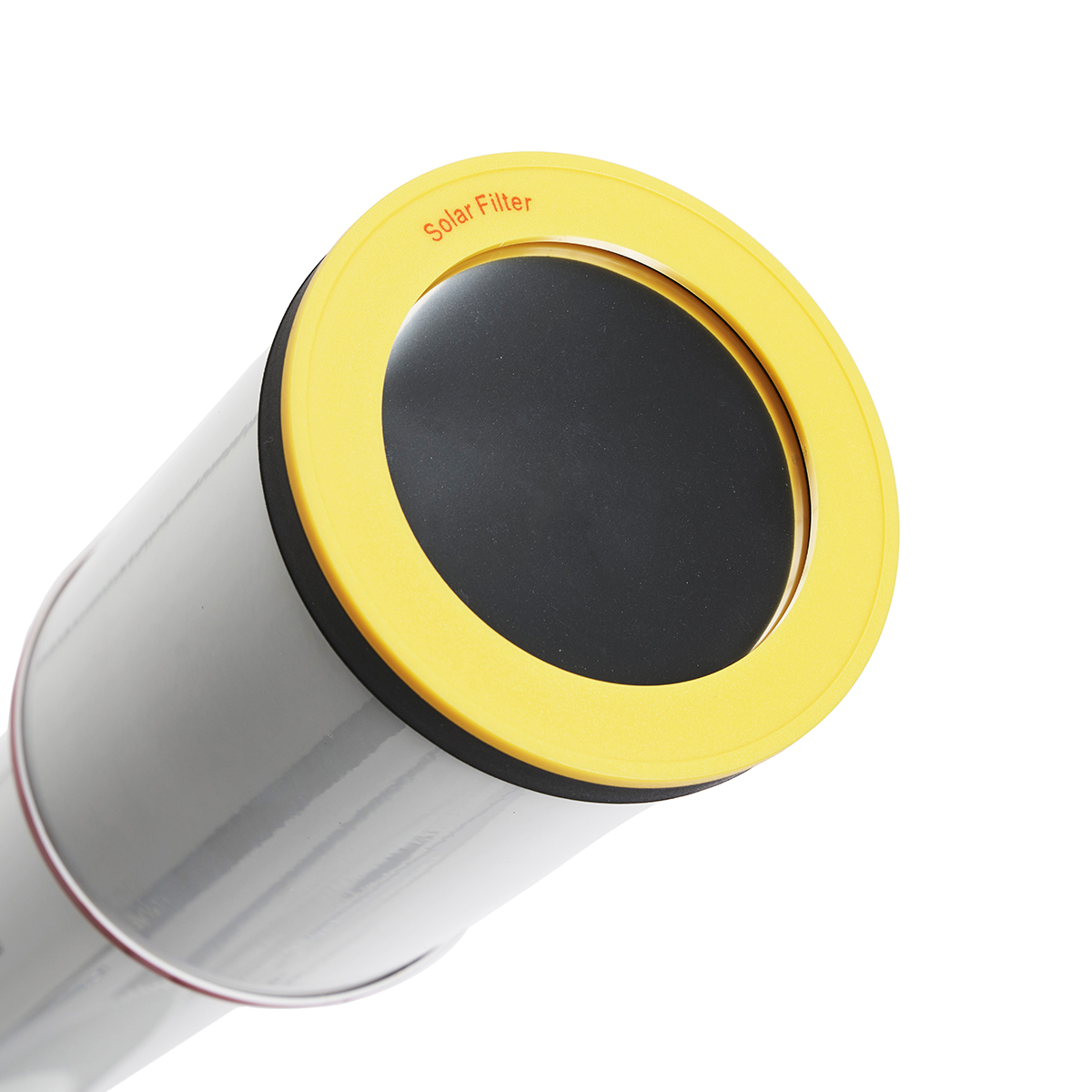
For the solar eclipse, plan ahead. Get your filter ready and test it with shots of the Sun in the days running up to the eclipse.
Examine the results and fine tune. If you plan to do a timelapse sequence, set the interval between shots and stick to it.
Don’t overdo it by setting the interval too short, – once every 5–10 minutes should be fine.
Get ready early on the day
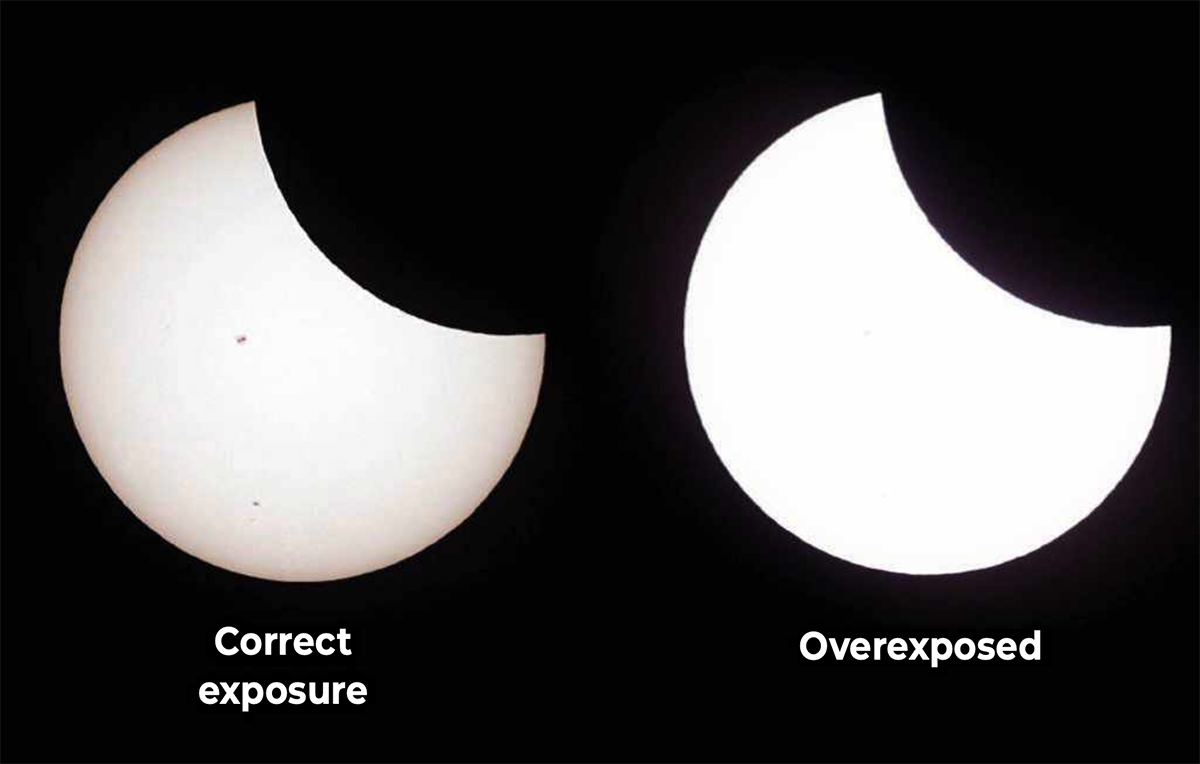
Set up your imaging kit well before the eclipse starts, ensuring it’s all safely filtered before anything’s pointed at the Sun.
If using a DSLR or MILC camera, a remote shutter cable lets you avoid camera shake.
Try a low ISO around 200 and reduce the exposure so the Sun’s disc doesn’t appear pure white.
Shoot the Sun before the eclipse starts
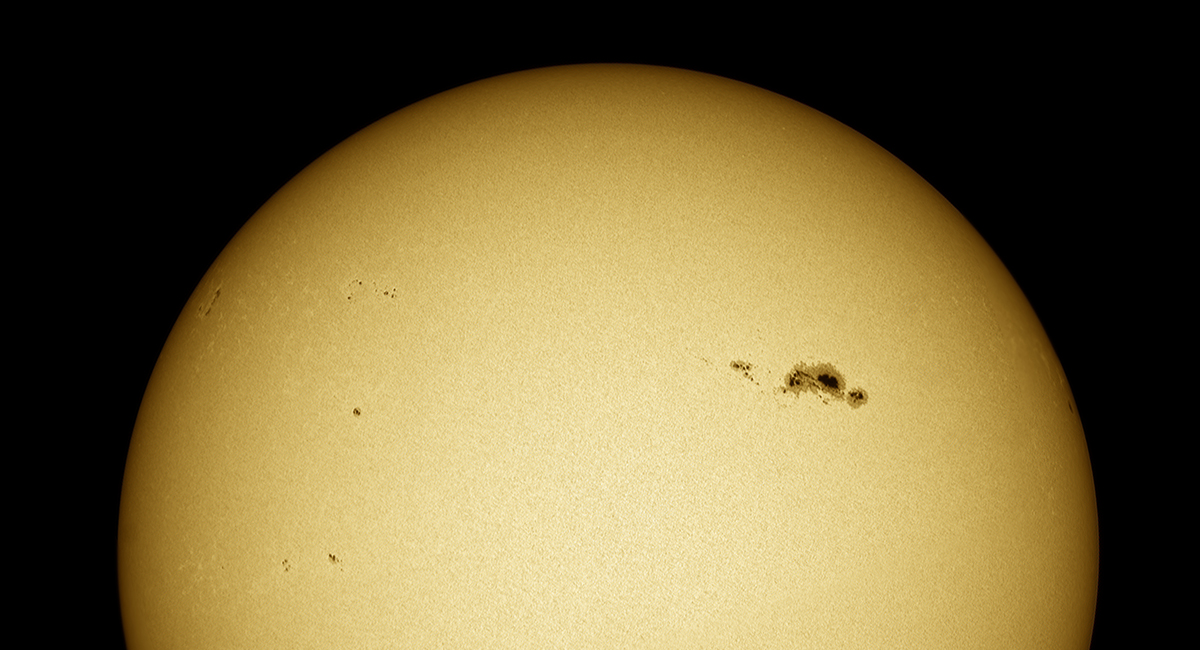
Use a sunspot, solar limb or granulation for precise focus.
With a mono high-frame-rate camera, a green or solar continuum filter will improve contrast of the photosphere.
If using a hydrogen-alpha filter, first contact is at PA 300° (measured from north through east); prominences here are eclipsed early.
Send us your images of the August 2026 solar eclipse and they could appear in a future issue of BBC Sky at Night Magazine