Dr Megan Argo, Reader in Astrophysics at the University of Lancashire, UK, answers key questions around the August 2026 solar eclipse
What is a solar eclipse?
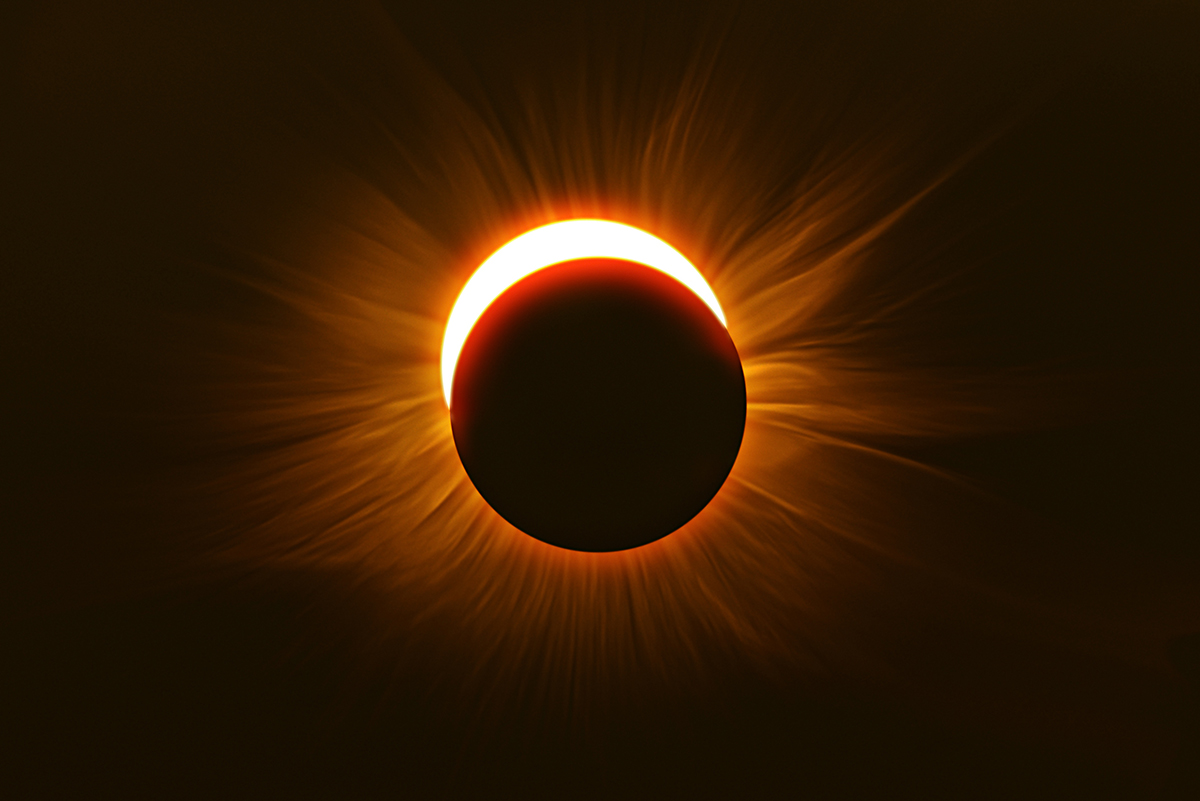
A solar eclipse happens when the Moon passes directly between the Earth and the Sun, blocking some of the Sun's light and casting a shadow on the Earth.
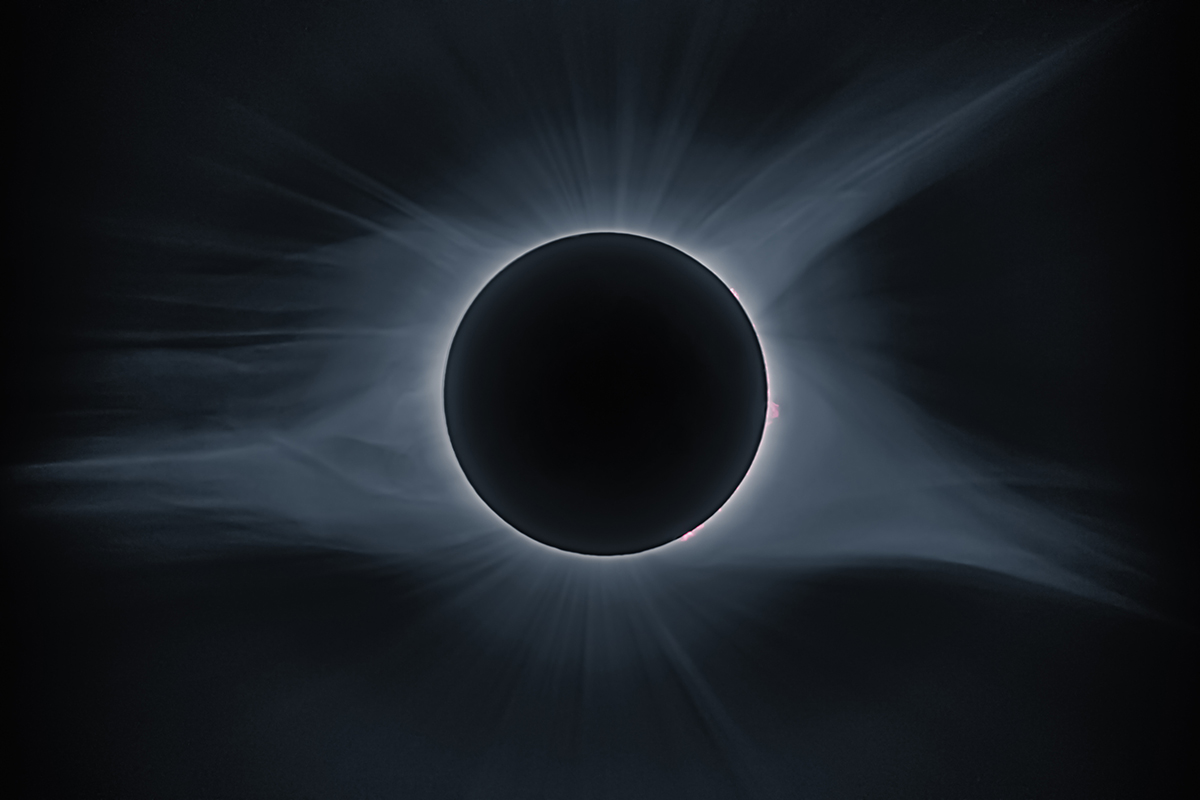
A total solar eclipse is one of nature's most spectacular sights, when the Moon completely covers the Sun for a few minutes, turning day into twilight and revealing stars in the daytime.
Solar eclipses happen somewhere on Earth roughly every 18 months, but they're much rarer from any one location.
The August 2026 solar eclipse will be a partial eclipse for the UK, rather than a total eclipse.
The last total solar eclipse visible from the UK was in 1999, and the next won't be until 2090 - so they’re a once in a century experience.
More on the eclipse
How is the Moon able to cover the much larger Sun?
The Moon is around 400 times smaller than the Sun, but it's also about 400 times closer to the Earth.
This means that both appear almost exactly the same size in our sky, making total solar eclipses possible. This is unique in the solar system!
How to watch the eclipse safely
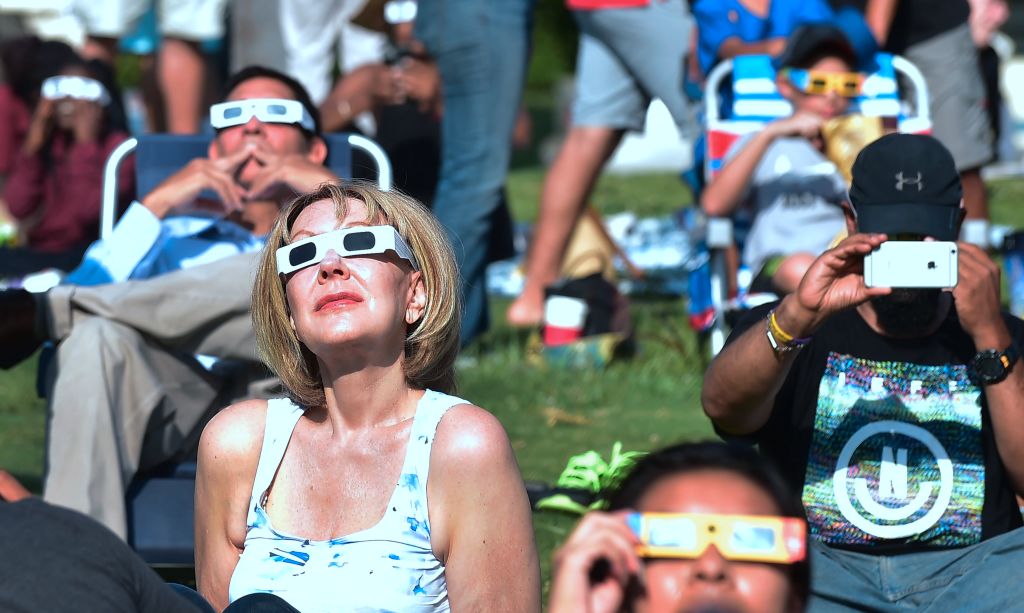
The most important advice is never to look directly at the Sun with the naked eye or through binoculars or a telescope, as this can permanently damage your eyesight.
You can wear certified solar eclipse glasses to observe the solar eclipse directly, but the safest way for the general public to enjoy the eclipse is to view it indirectly.
Standing beneath a leafy tree creates hundreds of tiny images of the Sun on the ground, which gradually change into crescents as the eclipse progresses.
The same effect works with a kitchen colander or a simple homemade pinhole camera.
Alternatively, many astronomical societies will be hosting public viewing events where experienced astronomers can safely project the Sun's image for everyone to enjoy.
When should people look out for the eclipse?
The eclipse will begin shortly after 18:00 BST (17:00 UTC) on August 12th, with the maximum eclipse occurring at around 19:10 BST (18:10 UTC), before ending shortly after 20:00 BST (19:00 UTC).
As the Sun will set not long afterwards, you'll need a clear view of the western horizon to get the best view.
From the UK we'll see a deep partial eclipse rather than a total eclipse, with just over 90% of the Sun covered in many locations.
Even though the sky won't go completely dark, it's still an unusual and memorable sight, and it’s set to be one of the best partial eclipses visible from the UK for many years.
When will the eclipse be total?
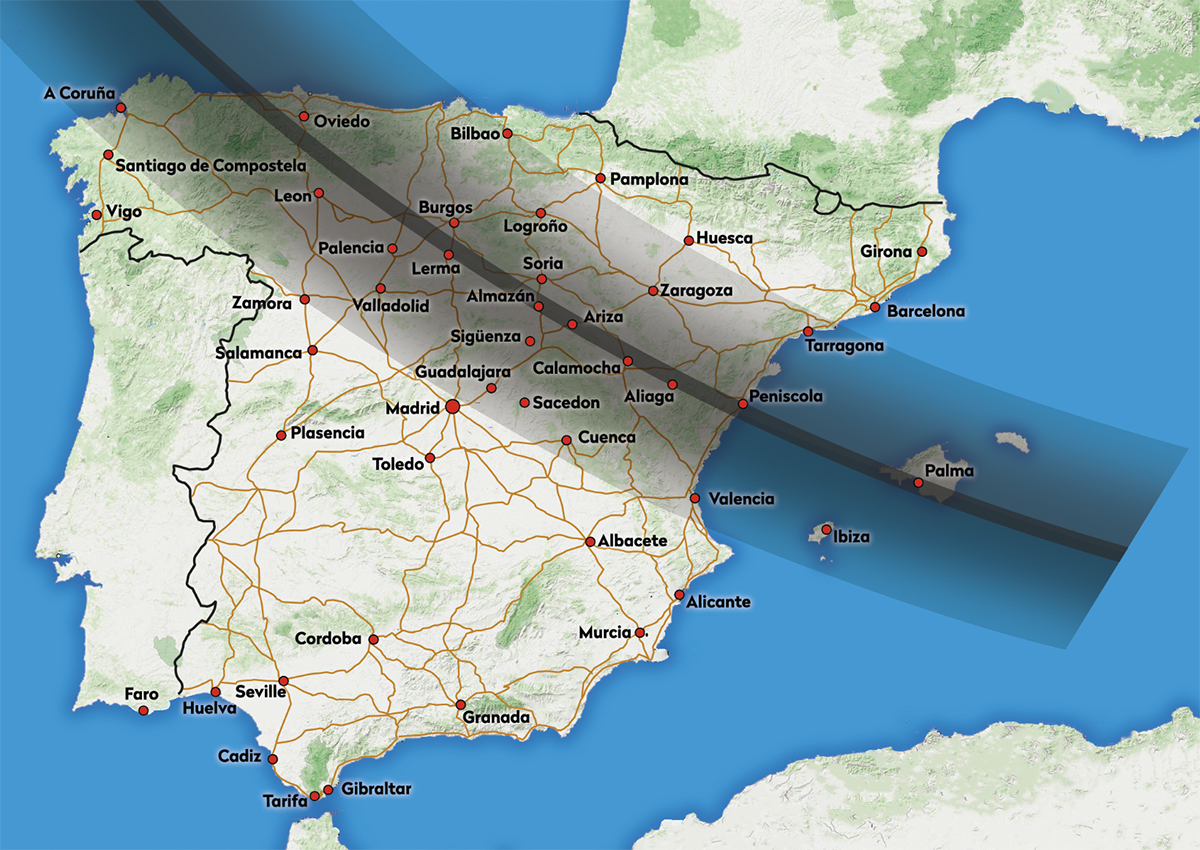
You will be able to view the total eclipse as it passes across Greenland, Iceland, the Atlantic Ocean and northern Spain, if you happen to be along the path of totality.
Anyone hoping to experience the full spectacle of a total solar eclipse still has time to plan a trip.
But there will also be live streams of the eclipse from these places, which is another great and safe way to view it.
Share your experiences and images of the August 2026 solar eclipse by emailing contactus@skyatnightmagazine.com